
Table of Contents
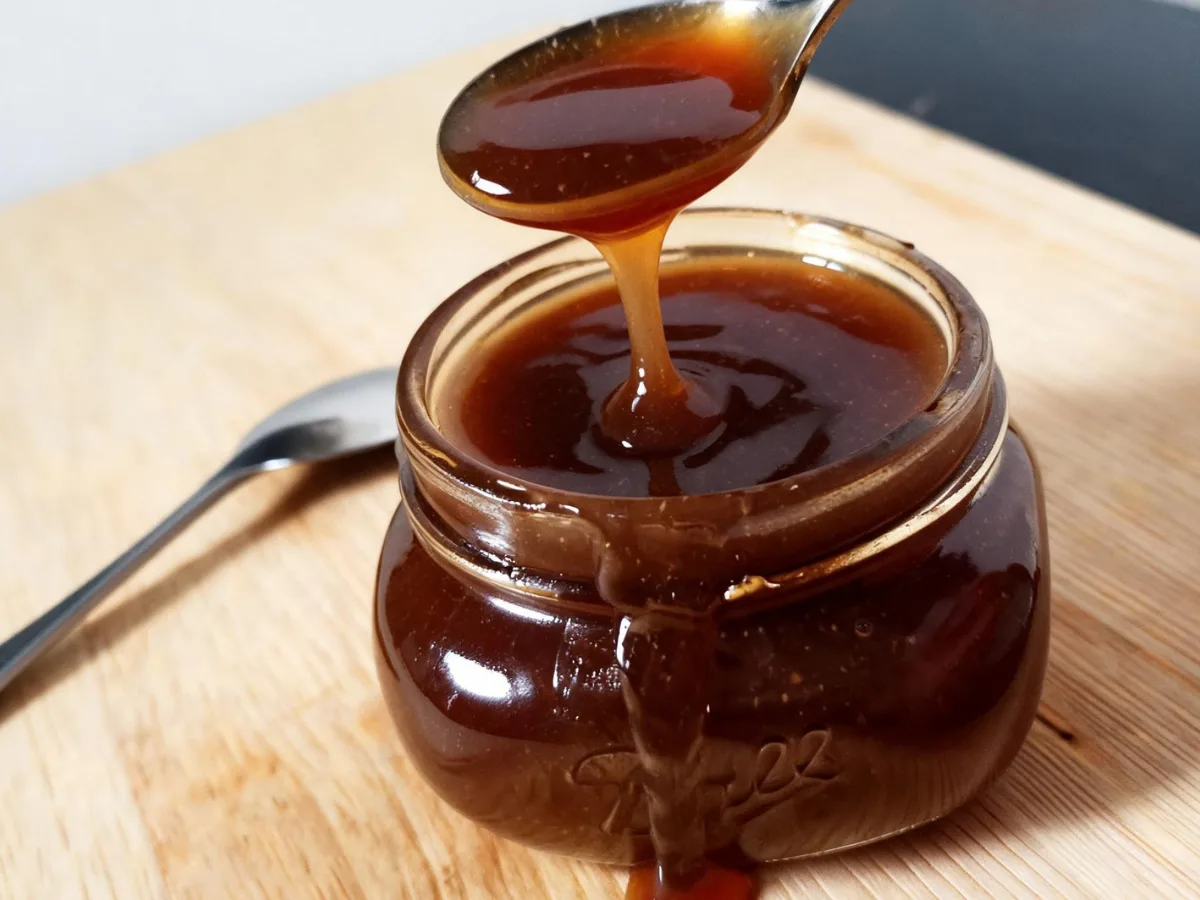
Glossy, savory, and balanced with just the right amount of sweetness, this teriyaki sauce recipe turns a short list of pantry staples into a versatile homemade sauce. Soy sauce gives it a salty, umami-rich base, while brown sugar and honey add sweetness and help create that familiar dark finish. Fresh ginger, garlic, rice vinegar, and a small amount of sesame oil round everything out with warmth and depth.
Making teriyaki sauce from scratch also gives you control over its consistency. Cornstarch thickens the mixture in just a few minutes, producing a sauce that clings nicely to chicken, vegetables, salmon, rice bowls, and stir-fries. There is no complicated technique involved: whisk, simmer, and remove the pan from the heat as soon as the sauce reaches a glossy, pourable consistency.
Why Make Teriyaki Sauce From Scratch?
A homemade teriyaki sauce is especially useful when you want something thicker and sweeter than a traditional Japanese-style teriyaki glaze. This version has the familiar sweet-and-savory flavor associated with American teriyaki dishes, with fresh garlic and ginger providing more character than sweetness alone.
It is also quick enough to prepare while the rest of dinner cooks. Since the ingredients are everyday staples, you can make a small batch whenever you need a glaze, dipping sauce, or finishing sauce rather than keeping another bottle in the refrigerator.
The cornstarch makes an important difference. Instead of reducing the sauce for an extended period, it thickens quickly and creates a glossy texture that coats food well.
Ingredients for Homemade Teriyaki Sauce
Each ingredient contributes something specific to the final sauce:
- Water: Dilutes the soy sauce and provides the liquid needed to make the cornstarch slurry.
- Soy sauce: Supplies the salty, savory foundation. Regular soy sauce works well; reduced-sodium soy sauce can also be used if you prefer greater control over saltiness.
- Cornstarch: Thickens the sauce and creates its glossy consistency.
- Fresh garlic: Adds savory depth and a little sharpness.
- Fresh ginger: Brings fresh, warm flavor that balances the sugar.
- Brown sugar: Provides most of the sweetness and contributes subtle molasses notes.
- Honey: Rounds out the sweetness and complements the glossy texture.
- Sesame oil: Only ¼ teaspoon is needed because its toasted, nutty flavor can quickly dominate a sauce.
- Rice vinegar: Adds mild acidity and keeps the sweet ingredients from tasting flat.
Soy is one of the FDA’s major food allergens, so anyone cooking for a person with food allergies should check ingredient labels carefully. The FDA’s information about major food allergens provides additional guidance on allergen labeling.
How to Make Teriyaki Sauce
Start with a smooth cornstarch slurry
Combine ½ cup water with 1 tablespoon cornstarch in a small bowl. Stir until the cornstarch is completely dispersed and you do not see any dry lumps.
Making this slurry before adding the cornstarch to the saucepan is important. Cornstarch added directly to warm liquid tends to form stubborn lumps.
Combine the sauce ingredients
Add the soy sauce, minced garlic, fresh ginger, brown sugar, honey, sesame oil, and rice vinegar to a medium saucepan. Pour in the cornstarch mixture and stir well.
Bring the mixture to a gentle simmer over medium heat, stirring frequently. Pay particular attention to the bottom and edges of the pan, where the sugar can otherwise settle.
Simmer just until thickened
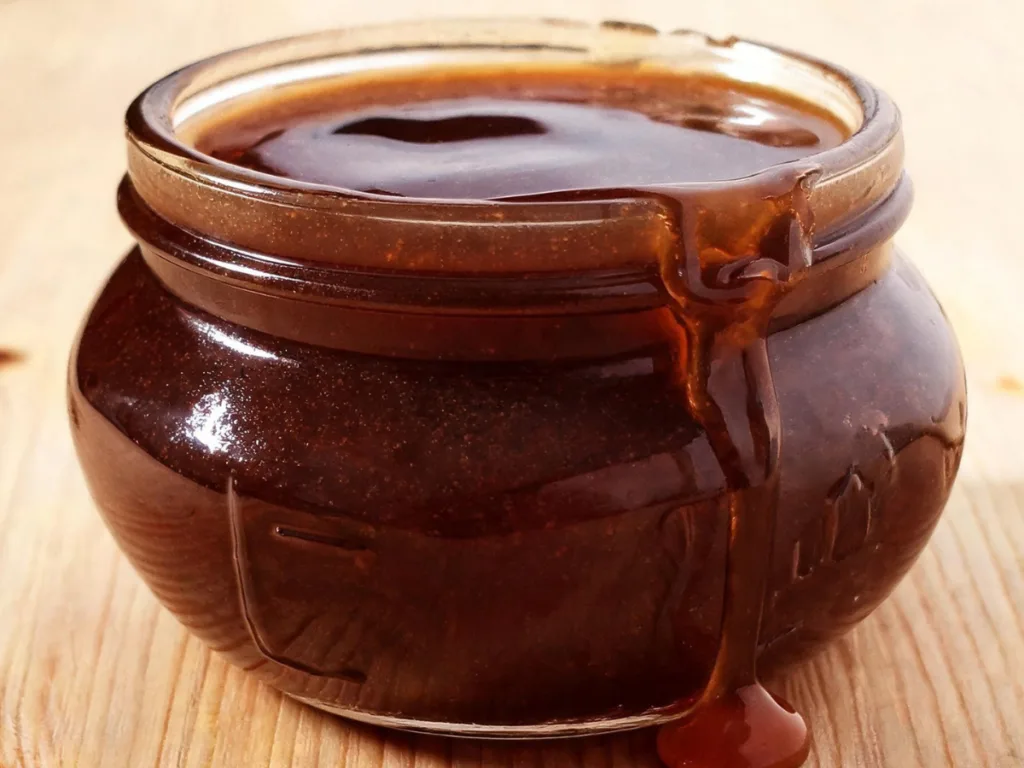
As the sauce heats, it will gradually become darker, shinier, and thicker. Once it reaches a consistency that lightly coats a spoon, take it off the heat immediately.
Keep in mind that cornstarch-thickened sauces continue to feel thicker as they cool. Taking the saucepan off the burner at the right moment prevents your homemade teriyaki sauce from becoming overly thick or gummy.
Tips for the Best Teriyaki Sauce
Fresh ginger and garlic make a noticeable difference here. Grate the ginger finely so that it distributes evenly throughout the sauce. Garlic should also be finely minced rather than left in large pieces.
Stir the cornstarch slurry again if it has been sitting for a few minutes before it goes into the saucepan. Cornstarch settles quickly at the bottom of a bowl.
Keep the heat controlled once the mixture begins simmering. There is no need for a vigorous boil. Frequent stirring and a gentle simmer provide plenty of heat to activate the cornstarch while reducing the chance of scorching the sugars.
Finally, judge consistency while remembering that the sauce will thicken as it cools. For a drizzle or rice-bowl sauce, leave it slightly more fluid. For a glaze, allow it to thicken enough to coat the back of a spoon.
Simple Substitutions and Adjustments
For a less salty result, reduced-sodium soy sauce is the easiest adjustment. Because soy sauces vary considerably in flavor and sodium content, taste the finished sauce before making additional changes.
If you prefer a slightly tangier sweet and savory teriyaki sauce, a small additional splash of rice vinegar can sharpen the flavors. For more sweetness, increase the honey or brown sugar a little at a time rather than making a large adjustment all at once.
Fresh ginger works especially well in this recipe, but the amount can also be reduced for a milder ginger flavor.
If you need the sauce to be gluten-free, do not assume ordinary soy sauce qualifies. Choose a soy sauce specifically labeled gluten-free and verify every packaged ingredient used in the recipe.
Ways to Use Homemade Teriyaki Sauce
This easy teriyaki sauce recipe is flexible enough for quick weeknight meals and meal prep. Spoon it over cooked chicken or salmon, toss it with sautéed vegetables, or drizzle it over steamed rice and grain bowls.
It also works well as a finishing sauce for stir-fries. Cook your meat and vegetables first, add the prepared teriyaki sauce toward the end, and toss just long enough to coat everything and warm the sauce.
For food safety, sauces that have contacted raw meat should not be used directly as a finishing sauce unless they are properly cooked. The USDA guidance on marinades and food safety recommends reserving some marinade before contact with raw meat or boiling used marinade before applying it to cooked food.
If you enjoy keeping flavorful homemade condiments on hand, this pineapple habanero hot sauce offers a fruitier option with noticeable heat.
How to Fix Teriyaki Sauce That Is Too Thick or Too Thin
If your sauce becomes thicker than you intended, whisk in a small amount of water while it is still warm. Start with a teaspoon or two because a little liquid can make a significant difference.
If it seems too thin, give it enough time to reach a simmer before adding more cornstarch. The starch needs heat to fully thicken the liquid. Also remember that the sauce becomes thicker after cooling.
If additional thickening is truly necessary, mix a small amount of cornstarch with cold water separately, then gradually whisk it into the simmering sauce. Avoid sprinkling dry cornstarch directly into the saucepan.
Storing and Reheating Homemade Teriyaki Sauce
Allow leftover sauce to cool, then transfer it to a clean airtight container and refrigerate promptly. Because this is a freshly prepared sauce containing fresh garlic and ginger, keep it refrigerated rather than storing it at room temperature.
Reheat only the amount you need in a small saucepan over low heat, stirring regularly. The microwave also works for small portions. If refrigeration has made the sauce thicker than you want, stir in a small splash of water while reheating.
As with any homemade sauce, discard it if you notice mold, an unusual odor, or another sign of spoilage.
For another simple sauce to prepare at home, try this easy stovetop applesauce when you want something naturally fruity and sweet.
Frequently Asked Questions
Why isn’t my teriyaki sauce getting thick?
Cornstarch needs sufficient heat to thicken. Make sure the sauce reaches a gentle simmer while you stir it frequently. If the cornstarch settled in the slurry bowl before being added, some may also have been left behind.
Why did my sauce get too thick?
It may have simmered too long. Cornstarch works quickly once heated, and the sauce thickens further while cooling. Remove it from the heat as soon as it reaches a glossy, lightly coating consistency. A splash of water can loosen an overly thick batch.
Can I use reduced-sodium soy sauce?
Yes. Reduced-sodium soy sauce is a straightforward substitution and is useful if you prefer a less salty sauce. The exact flavor will vary depending on the brand.
Can I make teriyaki sauce without cornstarch?
This particular recipe relies on cornstarch for its quick, glossy consistency. A sauce without it would require a different thickening approach, such as reduction, and would not behave exactly the same way.
Is homemade teriyaki sauce a marinade?
It can add teriyaki flavor to meat, but this cornstarch-thickened version is especially well suited to glazing and finishing foods. If you use any sauce on raw meat, keep that portion separate from sauce intended for serving unless you follow appropriate food-safety practices.

Easy Teriyaki Sauce Recipe with Ginger and Garlic
A glossy sweet and savory homemade teriyaki sauce made with soy sauce, brown sugar, honey, fresh ginger, garlic, rice vinegar, and sesame oil.
- Prep Time: 5 minutes
- Cook Time: 10 minutes
- Total Time: 15 minutes
- Yield: About 1 cup
- Category: Sauce
- Method: Stovetop
- Cuisine: Japanese-American
Ingredients
1/2 cup water
1/3 cup soy sauce
1 tablespoon cornstarch
1 garlic clove, minced
1/2 tablespoon fresh ginger, minced or grated
1/3 cup brown sugar
1 tablespoon honey
1/4 teaspoon sesame oil
1 tablespoon rice vinegar
Instructions
1. Whisk water and cornstarch until smooth.
2. Combine slurry and remaining ingredients in a saucepan.
3. Bring to a gentle simmer, stirring frequently.
4. Cook until dark, glossy, and thickened.
5. Remove from heat immediately and serve.
Notes
The sauce thickens further as it cools.
If too thick, whisk in a small amount of water.
Reduced-sodium soy sauce can be substituted if desired.