
Table of Contents
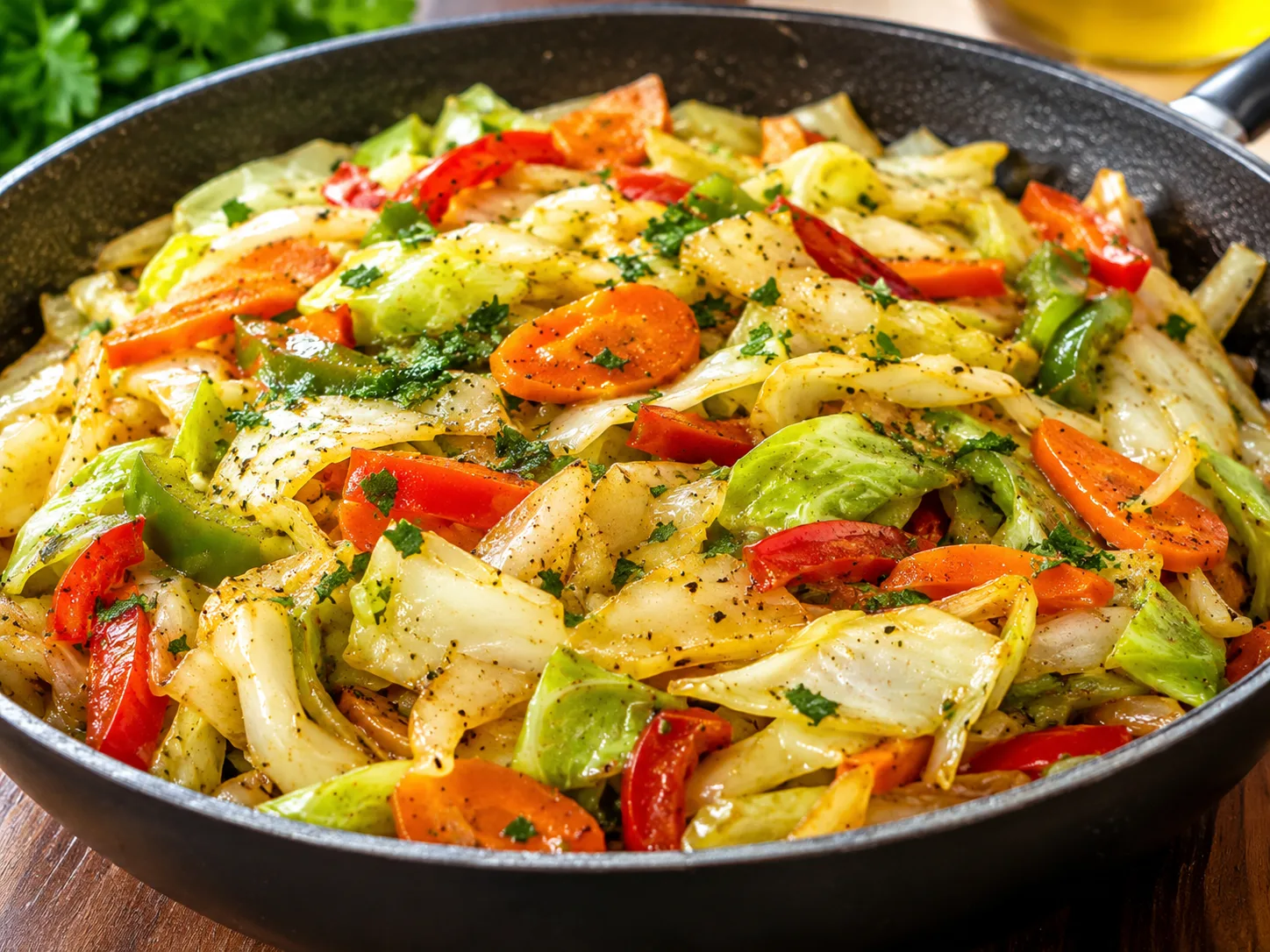
Garlic Butter Cabbage and Veggies is an easy, flavorful side dish made with tender cabbage, colorful vegetables, aromatic garlic, and rich buttery goodness. Everything cooks together in one skillet, creating a delicious combination of savory flavors, lightly caramelized edges, and satisfying textures. Whether you need a quick weeknight side dish or a simple way to add more vegetables to your meals, this recipe is a wonderful addition to your dinner rotation.
This easy cabbage and vegetable recipe pairs beautifully with roasted chicken, grilled steak, baked fish, pork chops, or your favorite vegetarian main course. It uses simple ingredients, requires minimal preparation, and comes together without complicated cooking techniques.
If you’re looking for an easy vegetable side dish that tastes homemade and comforting, Garlic Butter Cabbage and Veggies deserves a place on your weekly menu.
Why You’ll Love Garlic Butter Cabbage and Veggies
There are plenty of reasons to make Garlic Butter Cabbage and Veggies part of your regular meal plan.
Quick and easy: This skillet recipe uses everyday ingredients and requires very little preparation, making it perfect for busy weeknights.
Rich garlic butter flavor: Butter and fresh garlic give the vegetables a savory flavor that makes simple cabbage especially delicious.
Colorful and satisfying: Green cabbage, orange carrots, red bell peppers, and green peppers create a vibrant dish that looks as good as it tastes.
Budget-friendly: Cabbage and carrots are affordable vegetables that can help you prepare a generous side dish without spending much.
Versatile: You can adjust the vegetables and seasonings to match your preferences or whatever you already have in your refrigerator.
Easy cleanup: Everything cooks in one skillet, so you spend less time washing dishes after dinner.
What Is Garlic Butter Cabbage and Veggies?
Garlic Butter Cabbage and Veggies is a simple skillet dish featuring cabbage cooked with a mixture of vegetables, garlic, and butter. As the cabbage softens, it absorbs the savory flavors while maintaining enough texture to keep every bite interesting.
Carrots contribute natural sweetness, while bell peppers add color and a mild, fresh flavor. Onion brings additional savory depth, and garlic butter ties everything together with a rich, comforting finish.
Unlike a creamy casserole, this vegetable dish does not need a heavy sauce. The butter coats the vegetables, allowing their natural flavors to shine through.
It works as an everyday side dish, a quick lunch, or a flexible vegetable base for a more substantial meal.
Ingredients for Garlic Butter Cabbage and Veggies
The ingredients are simple, easy to find at most American grocery stores, and easy to customize.
- 1 medium green cabbage: Remove the core and slice the cabbage into thin strips for even cooking.
- 2 medium carrots: Peel and slice thinly or cut into matchsticks.
- 1 red bell pepper: Remove the seeds and slice into thin strips.
- 1 green bell pepper: Adds color and a slightly grassy flavor.
- 1 medium yellow onion: Slice thinly to help it soften quickly.
- 3 tablespoons unsalted butter: Creates the rich garlic butter coating.
- 3 cloves garlic: Mince finely for the best flavor.
- 2 tablespoons olive oil: Helps prevent the butter from browning too quickly.
- 1/2 teaspoon paprika: Adds warmth and color.
- 1/2 teaspoon black pepper: Adjust according to taste.
- 3/4 teaspoon salt: Start with this amount and add more as needed.
- 1 tablespoon chopped fresh parsley: Optional, for a fresh finishing touch.
- 1–2 tablespoons water or vegetable broth: Optional, to help soften the cabbage if the skillet becomes dry.
These ingredient quantities are a practical starting point for approximately four servings. Adjust the seasoning to suit your taste.
How to Choose the Best Vegetables
Fresh vegetables make a noticeable difference in Garlic Butter Cabbage and Veggies.
Choose a firm green cabbage with tightly packed leaves and no large brown or soft spots. Remove any damaged outer leaves before slicing. A medium head provides a good balance of cabbage and additional vegetables.
Look for firm carrots with a bright orange color. Fresh bell peppers should have smooth, glossy skin without wrinkled areas or soft patches.
Yellow onions are ideal because they become sweet and tender as they cook. Red onions can also work if you prefer a slightly sharper flavor.
Fresh garlic provides the strongest aroma, but jarred minced garlic can be used when convenience matters. Fresh parsley is optional and should be added at the end to preserve its color and flavor.
Kitchen Tools You’ll Need
You don’t need special equipment to make this easy cabbage recipe.
A large skillet or sauté pan is the most important tool. Choose one with enough room to accommodate the cabbage without packing it too tightly.
A sharp chef’s knife makes slicing cabbage and vegetables easier. You’ll also need a cutting board, a wooden spoon or spatula, a measuring spoon, and a small knife or garlic press for preparing the garlic.
If your skillet is too small, cook the cabbage in batches. Overcrowding the pan can cause the vegetables to release moisture and steam rather than develop lightly browned edges.
How to Make Garlic Butter Cabbage and Veggies
This recipe follows a straightforward cooking process that keeps the vegetables flavorful without making them overly soft.
Step 1: Prepare the Vegetables
Wash the cabbage, carrots, and bell peppers. Remove the cabbage core and slice the leaves into thin strips. Slice the carrots, bell peppers, and onion, then mince the garlic.
Keep the vegetables relatively uniform in size so they cook evenly.
Step 2: Heat the Skillet
Place a large skillet over medium heat. Add the olive oil and butter. Allow the butter to melt, stirring gently to combine the fats.
Avoid overheating the butter, as it can brown or burn before the vegetables are ready.
Step 3: Cook the Onion and Carrots
Add the sliced onion and carrots to the skillet. Cook for approximately 3–4 minutes, stirring occasionally, until the onion begins to soften and the carrots start to become tender.
These vegetables benefit from a short head start because carrots are firmer than cabbage and bell peppers.
Step 4: Add the Bell Peppers and Garlic
Stir in the red and green bell peppers. Cook for another 2 minutes.
Add the minced garlic and paprika, stirring for about 30 seconds until fragrant. Keep the garlic moving so it doesn’t burn.
Step 5: Add the Cabbage
Add the sliced cabbage to the skillet. Season with salt and black pepper, then toss everything together until the vegetables are evenly coated in the garlic butter.
If the cabbage fills the skillet, add it in batches, allowing each addition to begin softening before adding the rest.
Step 6: Cook Until Tender
Cook for approximately 8–12 minutes, stirring every few minutes. The cabbage should soften while retaining some texture, and the other vegetables should be tender.
If the skillet becomes dry before the cabbage reaches your preferred consistency, add 1–2 tablespoons of water or vegetable broth.
For lightly caramelized edges, let the vegetables rest against the hot skillet briefly between stirs instead of moving them constantly.
Step 7: Finish and Serve
Taste the vegetables and adjust the salt, pepper, or paprika as needed. Remove the skillet from the heat and sprinkle with chopped fresh parsley if desired.
Serve Garlic Butter Cabbage and Veggies warm as a side dish or add it to a larger meal.
Tips for the Best Garlic Butter Cabbage
Slice the cabbage evenly. Thin, uniform strips cook at a similar rate and are easier to toss with the other vegetables.
Use a large skillet. Giving the vegetables enough space helps excess moisture evaporate and encourages light browning.
Add garlic at the right time. Garlic cooks quickly, so adding it after the firmer vegetables have started softening helps prevent bitterness.
Avoid overcooking. Cabbage should be tender but not completely mushy. Begin checking the texture after about 8 minutes.
Adjust the butter. Add a little extra butter at the end if you want a richer finish, or reduce the amount for a lighter dish.
Season gradually. Cabbage shrinks as it cooks, so taste the vegetables near the end before adding extra salt.
Easy Variations to Try
Add Mushrooms
Sliced mushrooms bring an earthy, savory flavor. Cook them with the onion and carrots until their excess moisture has evaporated before adding the cabbage.
Make It Spicy
Add red pepper flakes, cayenne pepper, or a little diced jalapeño if you enjoy a bit of heat.
Add Broccoli
Small broccoli florets provide extra color and texture. For the best results, blanch or steam them briefly before adding them to the skillet.
Use Different Cabbage
Green cabbage is the classic choice, but savoy cabbage also works well. Red cabbage can be used for a colorful variation, although it will change the appearance of the finished dish.
Add Fresh Herbs
Fresh thyme, parsley, or chives can complement the garlic butter. Add delicate herbs near the end of cooking for the best flavor.
Make It Dairy-Free
Replace the butter with a plant-based butter alternative or use olive oil. The flavor will be slightly different, but the vegetables will still be delicious.
What to Serve with Garlic Butter Cabbage and Veggies
Garlic Butter Cabbage and Veggies is versatile enough to accompany many main dishes.
Roasted chicken: The savory vegetables pair beautifully with crispy roasted chicken and simple pan juices.
Grilled steak: Serve the cabbage alongside steak, baked potatoes, or mashed potatoes for a satisfying dinner.
Baked salmon: The buttery vegetables complement the rich flavor of salmon without requiring another complicated side dish.
Rice or quinoa: Spoon the vegetables over cooked rice or quinoa for a simple vegetarian meal.
Roasted potatoes: Combine the cabbage with crispy potatoes for a comforting vegetable-focused plate.
Beans or lentils: Add cooked white beans or lentils to make the dish more substantial without meat.
Is Garlic Butter Cabbage and Veggies Healthy?
Cabbage, carrots, and bell peppers provide a variety of vitamins, minerals, and dietary fiber. Preparing them in a skillet is a convenient way to include more vegetables in everyday meals.
The butter and olive oil contribute fat and flavor, so the nutritional content depends on the quantities used and the number of servings.
For a lighter version, reduce the butter and use a little extra olive oil or vegetable broth. You can also increase the proportion of cabbage and peppers to make the dish more vegetable-forward.
Exact nutrition information will vary depending on the ingredients, brands, and serving sizes used.
Make-Ahead, Storage, and Reheating
Make ahead: Wash and slice the vegetables up to a day in advance. Store them in separate airtight containers in the refrigerator until you’re ready to cook.
Refrigerate leftovers: Transfer cooled vegetables to an airtight container and refrigerate within two hours. For the best quality, enjoy them within 3–4 days.
Reheat: Warm the vegetables in a skillet over medium-low heat, stirring occasionally until hot. Add a small splash of water if needed to prevent sticking. You can also reheat individual portions in the microwave.
Freeze: Freezing is possible, but cabbage and bell peppers may become softer after thawing. For the best texture, prepare this dish fresh or refrigerate leftovers for a few days.
Frequently Asked Questions
Can I make Garlic Butter Cabbage and Veggies without butter?
Yes. Olive oil or a dairy-free butter alternative works well. The flavor will be less buttery, but the garlic and vegetables will still create a savory side dish.
How do I keep fried cabbage from becoming watery?
Use a large skillet, avoid overcrowding, and cook over medium to medium-high heat as appropriate for your pan. Stir periodically rather than constantly so moisture can evaporate and the vegetables can develop some browning.
Can I use frozen vegetables?
Yes. Frozen carrots or bell peppers can be convenient alternatives. Thaw and drain them if they release excess moisture, and adjust the cooking time to avoid overcooking.
Is this recipe vegetarian?
Yes, provided you use vegetable broth if adding liquid and choose ingredients suitable for your dietary preferences. Standard butter is vegetarian, but it is not vegan.
Can I add protein to make it a complete meal?
Absolutely. Add cooked chicken, white beans, chickpeas, or tofu. If using raw meat, cook it safely and separately as needed before combining it with the vegetables.
What type of cabbage works best?
Green cabbage is an excellent choice because it holds its texture while becoming tender. Savoy cabbage is another good option, while red cabbage creates a more colorful variation.
Can I make this recipe ahead for meal prep?
Yes. Prepare the dish, cool it promptly, and refrigerate it in individual portions. Reheat thoroughly before serving. The vegetables may soften slightly after storage.
Final Thoughts
Garlic Butter Cabbage and Veggies is proof that a simple skillet of vegetables can become a flavorful and satisfying part of your dinner. Tender cabbage, sweet carrots, colorful bell peppers, and aromatic garlic combine with butter to create a comforting side dish that works for everyday meals.
Serve it with chicken, steak, fish, rice, or roasted potatoes, and adjust the vegetables and seasonings to suit your preferences. With simple ingredients and easy preparation, this recipe makes it easier to bring more vegetables to the table.
Save this Garlic Butter Cabbage and Veggies recipe to your Pinterest vegetable recipes or easy side dishes board so you can find it whenever you need a quick, delicious addition to dinner.
PrintGarlic Butter Cabbage and Veggies: Easy, Flavor-Packed Skillet Recipe
Tender cabbage, colorful vegetables, and aromatic garlic tossed in rich garlic butter for an easy, flavorful skillet side dish.
- Prep Time: 15 minutes
- Cook Time: 20 minutes
- Total Time: 35 minutes
- Yield: 4 servings
- Category: Side Dish
- Method: Stovetop
- Cuisine: American
- Diet: Vegetarian
Ingredients
1 medium green cabbage, sliced
2 medium carrots, sliced
1 red bell pepper, sliced
1 green bell pepper, sliced
1 medium yellow onion, sliced
3 tbsp unsalted butter
3 cloves garlic, minced
2 tbsp olive oil
1/2 tsp paprika
1/2 tsp black pepper
3/4 tsp salt
1 tbsp fresh parsley, chopped
1–2 tbsp water or vegetable broth, optional
Instructions
1. Prepare and slice all vegetables.
2. Heat butter and olive oil in a large skillet.
3. Cook onion and carrots for 3-4 minutes.
4. Add bell peppers and cook 2 minutes.
5. Stir in garlic and paprika for 30 seconds.
6. Add cabbage, salt, and pepper; toss well.
7. Cook 8-12 minutes, stirring occasionally, until tender.
8. Add water or broth if needed.
9. Adjust seasoning, garnish with parsley, and serve warm.
Notes
Use a large skillet to prevent overcrowding.
Avoid overcooking the cabbage.
Add red pepper flakes for a spicy variation.
Replace butter with plant-based butter for a dairy-free version.
Refrigerate leftovers in an airtight container for 3-4 days.