
Table of Contents
This comprehensive guide explores the vibrant world of Gochujang Noodles, a dish that has captured the hearts of food enthusiasts across the United States. We will dive deep into the perfect balance of sweet, savory, and spicy flavors that define this iconic Korean-inspired meal. You will learn about the essential ingredients, specialized cooking techniques, and creative variations to elevate your home cooking experience.
Throughout this article, we provide a detailed roadmap to mastering Gochujang Noodles in your own kitchen. From selecting the right type of pasta to achieving the perfect sauce consistency, every section is designed to ensure success. Whether you are a busy professional looking for a quick dinner or a culinary explorer, this recipe delivers maximum flavor with minimal effort.
Why Gochujang Noodles Are Taking Over Your Social Feed
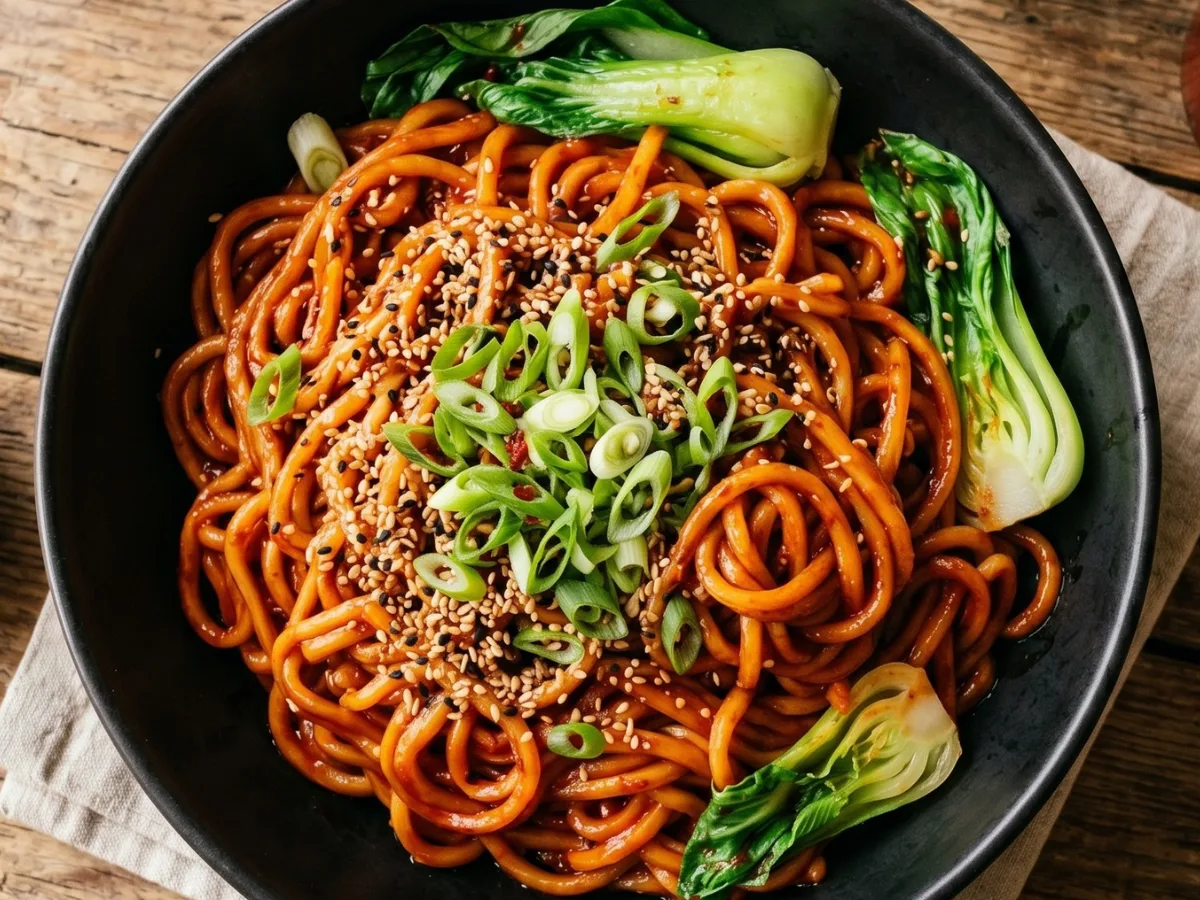
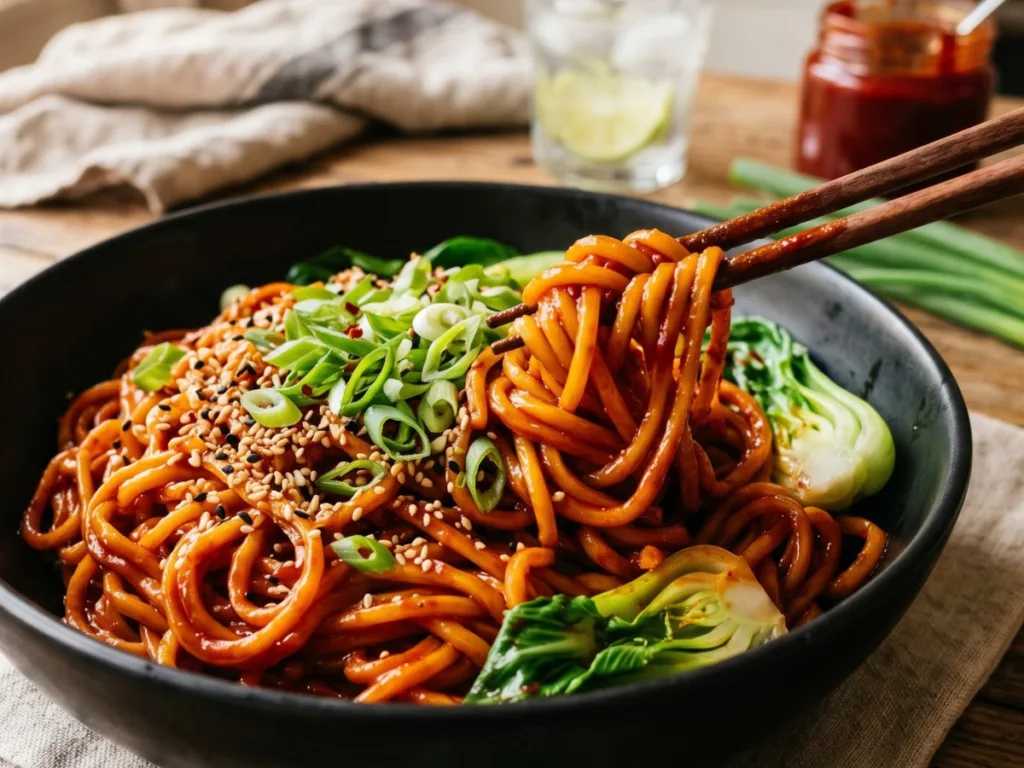
If you have spent any time on Pinterest or Instagram lately, you have likely seen glowing bowls of Gochujang Noodles. Their deep red hue and glossy texture make them incredibly photogenic, but the taste is what keeps people coming back. This dish offers a unique umami profile that standard chili oil noodles simply cannot match.
The rise of Gochujang Noodles in the USA reflects a growing appreciation for fermented flavors. The fermented chili paste provides a complex depth that evolves as you eat. It is not just about heat; it is about a sophisticated layering of ingredients that satisfies every taste bud.
Essential Ingredients for Perfect Gochujang Noodles
To create authentic Gochujang Noodles, you must start with high-quality Korean chili paste. This ingredient is the backbone of the entire dish, providing the signature spicy and slightly sweet foundation. Ensure your paste is fresh and stored correctly to maintain its potent flavor profile.
For the base, you can use various types of noodles, including udon, ramen, or even thick wheat noodles. Garlic, ginger, and green onions provide the aromatic base that complements the richness of the sauce. A touch of honey or brown sugar balances the fermentation, while toasted sesame oil adds a nutty finish.
Ingredients
- 10 oz dried wheat noodles or fresh udon noodles
- 3 tbsp Gochujang (Korean chili paste)
- 2 tbsp soy sauce (low sodium preferred)
- 1 tbsp honey or maple syrup
- 3 cloves garlic, finely minced
- 1 tsp fresh ginger, grated
- 1 tbsp toasted sesame oil
- 2 tsp rice vinegar
- 1/2 cup pasta water (reserved)
- 2 green onions, thinly sliced
- 1 tsp toasted sesame seeds
- 1 tsp red pepper flakes (optional for extra heat)
- 1 cup baby spinach or bok choy (optional)
Instructions
- Garnish with a generous amount of sliced green onions and toasted sesame seeds before serving.
- Cook noodles in boiling water according to package directions until al dente.
- Reserve half a cup of starchy pasta water before draining the noodles.
- In a small bowl, whisk together the Gochujang, soy sauce, honey, and rice vinegar.
- Heat the toasted sesame oil in a large skillet or wok over medium heat.
- Sauté the minced garlic and grated ginger for about 1 minute until fragrant.
- Pour the Gochujang sauce mixture into the skillet and stir to combine with the aromatics.
- Add the cooked noodles directly into the spicy sauce in the pan.
- Gradually pour in the reserved pasta water while tossing to reach your desired sauce silkiness.
- Toss vigorously for 2 minutes to ensure every noodle strand is evenly coated and glossy.
- Add greens like spinach or bok choy and toss until they are slightly wilted.
- Remove from heat once the sauce has thickened and perfectly clings to the noodles.
The Secret to Achieving the Perfect Sauce Consistency
The hallmark of great Gochujang Noodles is a sauce that is velvety and thick, not watery. The secret lies in the starch from the pasta water, which acts as an emulsifier. When combined with the thick chili paste, it creates a professional-grade glaze.
Always add your pasta water slowly while tossing the noodles over medium heat. This technique allows the sauce to bind to the gluten in the noodles. If the sauce becomes too thick, a tiny splash of warm water can restore that perfect glossy finish.
Choosing the Best Noodles for This Spicy Recipe
While traditionalists might prefer wheat noodles, Gochujang Noodles work beautifully with many varieties. Thick udon noodles offer a chewy “QQ” texture that many find irresistible in spicy dishes. They provide a substantial surface area for the sauce to cling to.
For a lighter version, try rice noodles or even zucchini noodles, though the cooking time will vary. Standard spaghetti can also work in a pinch, provided it is cooked al dente. The key is choosing a noodle that won’t fall apart when tossed aggressively in the pan.
How to Balance Heat and Sweetness in Your Dish
Gochujang Noodles can be quite spicy depending on the brand of chili paste you use. To manage the heat, always start with a smaller amount of paste and taste as you go. You can easily add more, but it is difficult to mellow out an overly spicy sauce.
Sweetness is the natural foil to the spicy kick of Gochujang. Using honey or brown sugar helps round out the sharp edges of the fermentation. If you find the dish too spicy, a small spoonful of peanut butter or tahini can also help neutralize the fire.
Top Toppings to Elevate Your Noodle Bowl
Garnish is not just for aesthetics when it comes to Gochujang Noodles; it adds essential texture. Fresh green onions provide a necessary bite that cuts through the richness of the fermented sauce. Toasted sesame seeds add a subtle crunch and a hint of earthiness.
Consider adding a soft-boiled egg or some pan-seared tofu for added protein. Sliced cucumbers can provide a refreshing, cool contrast to the spicy heat. Seaweed snacks or crushed peanuts are also popular choices for adding extra layers of flavor.
Meal Prep Tips for Busy Weeknights
You can easily prepare the sauce for Gochujang Noodles in advance and store it in the fridge. This makes the actual cooking process take less than ten minutes during a busy work week. Simply boil your noodles, sauté the aromatics, and combine everything.
If you are prepping for lunch, keep the sauce and noodles separate until you are ready to eat. This prevents the noodles from absorbing all the moisture and becoming mushy. A quick stir over heat with a splash of water will revive the textures perfectly.
Common Mistakes to Avoid When Making Spicy Noodles
One of the most frequent errors is overcooking the noodles before adding them to the sauce. Remember that the noodles will continue to cook slightly when you toss them in the skillet. Always aim for a firm texture during the initial boiling phase.
Another mistake is skipping the fresh aromatics like garlic and ginger. While powdered versions are convenient, they lack the vibrant oils that make Gochujang Noodles truly stand out. Using fresh ingredients ensures a restaurant-quality result every time you cook.
Pairing Suggestions for a Complete Meal
Gochujang Noodles are quite bold, so they pair best with mild or refreshing side dishes. A simple cucumber salad with rice vinegar and sugar is a classic choice. It cleanses the palate between bites of spicy, savory noodles.
For a more substantial meal, serve these noodles alongside steamed dumplings or crispy spring rolls. A hot cup of barley tea or a cold sparkling water with lime complements the flavors beautifully. Avoid heavy, cream-based sides that might clash with the fermented profile.
Storage and Reheating Instructions
If you have leftover Gochujang Noodles, store them in an airtight container for up to three days. The flavors often deepen overnight, making the leftovers just as delicious as the fresh dish. However, the noodles may absorb the sauce as they sit.
To reheat, use a skillet with a splash of water or broth to loosen the sauce. Avoid using the microwave if possible, as it can result in uneven heating and rubbery noodles. A few minutes on the stovetop will bring back the original creamy consistency.
FAQs
- Can I make these noodles gluten-free? Yes, you can use gluten-free tamari instead of soy sauce and choose rice noodles. Ensure your Gochujang paste is certified gluten-free, as some brands use barley malt.
- What can I use if I cannot find Gochujang? While Gochujang is unique, a mix of Sriracha and a bit of miso paste can mimic the spicy-savory profile. However, the depth of flavor will be different from the original recipe.
- How do I make this dish less spicy for children? Reduce the Gochujang to one tablespoon and increase the amount of honey or syrup. You can also add a splash of heavy cream or coconut milk to create a “rosé” style sauce.
- Is this dish vegan-friendly? This recipe is naturally vegan if you use maple syrup instead of honey. Always check the label on your chili paste to ensure no fish products were used in the fermentation.
Conclusion
Mastering Gochujang Noodles is a rewarding journey into the heart of modern fusion cuisine. By following these steps and focusing on ingredient quality, you can create a meal that rivals any trendy restaurant. The balance of heat, umami, and sweetness makes this a versatile addition to your weekly rotation.
We hope this guide inspires you to experiment with your own versions of Gochujang Noodles. Whether you keep it simple or load it with toppings, the result is always satisfying. Share your creations and continue exploring the rich world of spicy, noodle-based dishes.
Love this recipe? Discover even more!
Explore my Pinterest boards for a world of delicious recipes, fresh ideas, and inspiring flavors. Click here and start pinning your next favorite dish! ➜https://www.pinterest.com/ElitesRecipes/
Printthe Best Gochujang Noodles
A viral 15-minute spicy noodle dish featuring the deep umami flavor of Korean fermented chili paste and chewy wheat noodles.
- Prep Time: 5 minutes
- Cook Time: 10 minutes
- Total Time: 15 minutes
- Yield: 2 servings
- Category: Main Course
- Method: Stir-fried
- Cuisine: Korean-fusion
Ingredients
10 oz noodles
3 tbsp Gochujang paste
2 tbsp soy sauce
1 tbsp honey
3 cloves garlic, minced
1 tsp ginger, grated
1 tbsp sesame oil
2 tsp rice vinegar
1/2 cup pasta water
Green onions and sesame seeds for garnish
Instructions
1. Boil noodles and reserve pasta water.
2. Whisk Gochujang, soy sauce, honey, and vinegar.
3. Sauté garlic and ginger in sesame oil.
4. Stir in sauce and cooked noodles.
5. Add pasta water until glossy.
6. Garnish and serve immediately.
Notes
Substitute honey with maple syrup for a vegan version.
Use udon for a chewier texture.
Store leftovers for up to 3 days in the fridge.