
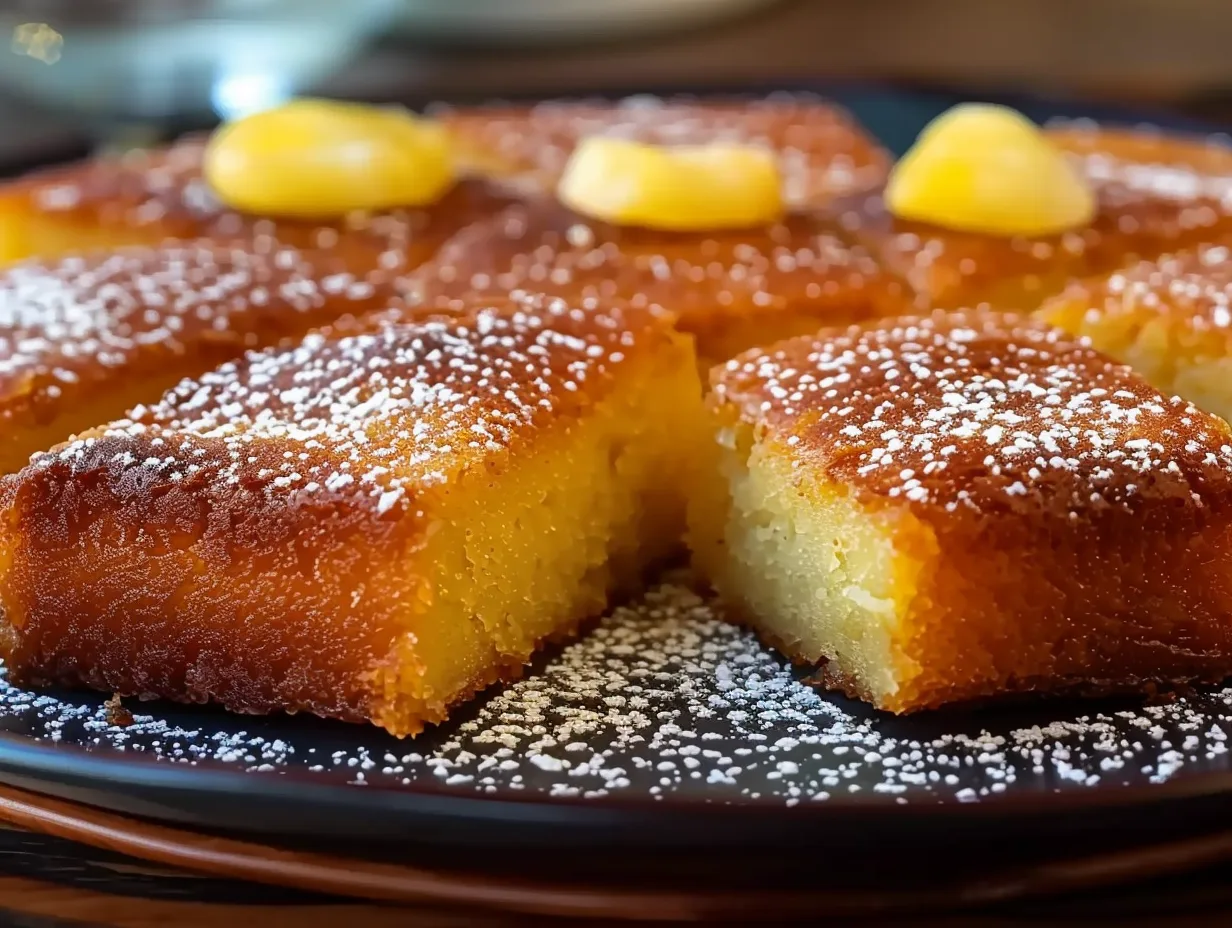
The Traditional Revani Recipe yields a wonderfully moist and fragrant Turkish semolina cake. This dessert, also known as Revani or Shamali in various regions, is celebrated for its delicate texture and sweet lemon-infused syrup, a true testament to simple yet profound Middle Eastern baking traditions.
Recipe Overview
| Prep Time | Cook Time | Total Time | Servings | Difficulty | Cuisine |
|---|---|---|---|---|---|
| 20 minutes | 35 minutes | 1 hour 55 minutes (including cooling) | 8-10 | Easy | Turkish |
Why This Recipe Works
I’ve found that the magic of a perfect revani lies in a few key elements working in harmony. The combination of semolina and flour brings a delightful chewiness that distinguishes it from cakes made solely with flour. The yogurt contributes essential moisture and a subtle tang, ensuring the cake remains tender. Crucially, pouring the cooled syrup over the hot cake allows for maximum absorption, creating that signature syrupy interior that is the hallmark of authentic revani.
The ratio of wet to dry ingredients is precisely calibrated to achieve a batter that is neither too stiff nor too runny, promising an even bake. Baking powder provides the necessary lift, while the olive oil ensures a rich crumb that doesn’t dry out. This recipe is a straightforward path to achieving that delightful balance of texture and sweetness that makes Turkish semolina cake so beloved.
Ingredients
| Quantity | Ingredient | Notes |
|---|---|---|
| 440 ml | Water | For the syrup |
| 370 g | Granulated sugar | For the syrup |
| 1 teaspoon | Lemon juice | Freshly squeezed, for the syrup |
| 160 g | Fine semolina | Creates the characteristic texture. Coarse semolina can be used but will result in a slightly coarser cake. |
| 65 g | All-purpose flour | Provides structure. For a gluten-free version, experiment with a gluten-free baking blend. See Variations and Substitutions. |
| 2 teaspoons | Baking powder | Ensures a good rise. Double-check expiration date for freshness. |
| 3 medium | Eggs | Room temperature eggs incorporate better. |
| 100 g | Granulated sugar | For the cake batter |
| 230 g | Plain yogurt | Full-fat yogurt yields a richer cake. Greek yogurt can be used if drained slightly. See Variations and Substitutions. |
| 180 ml | Olive oil | A mild-flavored olive oil is recommended. Vegetable or canola oil can be substituted. See Variations and Substitutions. |
| 1 tablespoon | Desiccated coconut | For topping. Ground pistachios or slivered almonds are excellent alternatives. |
Step-by-Step Instructions
Preparing the Syrup
- In a medium saucepan, combine 440 ml of water, 370 g of granulated sugar, and 1 teaspoon of freshly squeezed lemon juice.
- Place the saucepan over medium heat and bring the mixture to a rolling boil.
- Once boiling, reduce the heat to low and let the syrup simmer gently for approximately 10 minutes. You are looking for a slightly thickened consistency that will coat the back of a spoon.
- Remove the saucepan from the heat and allow the syrup to cool completely to room temperature. This cooling is essential for the syrup absorption process.
Preparing the Cake Batter
- Preheat your oven to 180°C (350°F). Grease and flour a suitable baking pan, approximately 9×13 inches or a similar volume.
- In a large mixing bowl, whisk together the 3 medium eggs and 100 g of granulated sugar. Continue whisking until the mixture becomes pale yellow and develops a frothy, airy texture.
- Gradually add the 230 g of plain yogurt and 180 ml of olive oil to the egg and sugar mixture. Mix thoroughly until all components are well incorporated and smooth.
- In a separate, medium-sized bowl, combine the 160 g of fine semolina, 65 g of all-purpose flour, and 2 teaspoons of baking powder. Whisk these dry ingredients together to ensure even distribution.
- Slowly introduce the dry ingredient mixture into the wet ingredients. Stir gently, using a spatula or whisk, just until combined. It is important not to overmix the batter at this stage to maintain a tender crumb.
- Pour the prepared batter evenly into the greased and floured baking pan, spreading it to a consistent thickness.
Baking and Soaking
- Place the pan in the preheated oven and bake for 30 to 35 minutes. The cake is ready when it is beautifully golden brown on top and a toothpick inserted into the center extracts cleanly with no wet batter attached.
- Once the revani is baked, carefully remove it from the oven yet leave it in the hot pan.
- Immediately and evenly pour the completely cooled lemon syrup all over the hot cake. You will hear a satisfying sizzle as the syrup is absorbed.
- Allow the Traditional Revani recipe cake to sit and absorb the syrup for at least one hour. This resting period is vital for the cake to become moist and fully saturated.
- Before serving, sprinkle 1 tablespoon of desiccated coconut or your chosen alternative (like ground pistachios) over the top of the cake for an attractive finish.
Chef Tips for Perfect Results
- Syrup Temperature is Key: Always pour completely cool syrup onto a hot cake. This temperature difference ensures rapid absorption and a moist interior without making the cake gummy.
- Don’t Overmix the Batter: Overmixing develops gluten in the flour, leading to a tough cake. Stir just until the dry ingredients disappear into the wet ingredients.
- Use Room Temperature Ingredients: Eggs and yogurt at room temperature emulsify better into the batter, creating a smoother consistency and a more even bake.
- Semolina Size Matters: Fine semolina is preferred for a delicate texture. If you only have coarse semolina, you can pulse it briefly in a food processor to break it down slightly.
- Monitor Baking Time Closely: Oven temperatures can vary. Keep an eye on the cake during the last 10 minutes of baking to prevent overbrowning.
Common Mistakes to Avoid
- Using Hot Syrup on a Hot Cake: This common error results in a gummy, overly soggy cake because the structure cannot handle the rapid moisture intake. Always ensure the syrup has cooled completely.
- Overbaking the Cake: An overbaked cake will be dry, even after soaking. Test for doneness with a toothpick; it should come out clean, but not when the cake is hard and dry.
- Not Letting the Cake Soak Long Enough: Skimping on the one-hour soaking time means the syrup won’t fully penetrate the cake, leaving parts dry. Patience is essential here for achieving the signature moist texture.
- Using Cold Eggs or Yogurt: Cold dairy and eggs do not emulsify as well, potentially leading to a less smooth batter and a denser cake. Allow them to come to room temperature for about 30 minutes before mixing.
- Pouring Syrup Unevenly: Uncontrolled pouring can lead to some areas being overly saturated while others remain dry. Pour slowly and deliberately over the entire surface of the hot cake.
Variations and Substitutions
| Ingredient | Substitution | Impact on Flavor |
|---|---|---|
| Olive Oil | Vegetable oil, canola oil, or melted unsalted butter (note: butter will change the flavor profile slightly). | Vegetable/canola oils are neutral. Butter adds a richer, dairy note. Olive oil provides a subtle fruity undertone. |
| Plain Yogurt | Sour cream, buttermilk, or sour milk (made by adding 1 tbsp lemon juice/vinegar to milk and letting it sit for 5 mins). | Adds slight tanginess and moisture. Greek yogurt, if drained, will be thicker. |
| Lemon Juice in Syrup | Orange blossom water or rose water (add 1 tsp after syrup has cooled slightly). | Adds floral notes instead of citrus. A common variation in Middle Eastern desserts. |
| Desiccated Coconut | Ground pistachios, slivered almonds, chopped walnuts, or a sprinkle of cinnamon. | Introduces nutty flavors and textures. Cinnamon adds warmth. |
| All-purpose flour | Gluten-free all-purpose flour blend (ensure it contains xanthan gum). | May alter texture slightly; may require minor adjustments in liquid depending on the blend. |
Serving Suggestions and Pairings
This Traditional Revani recipe is perfect for a variety of occasions. It serves as an elegant dessert after a hearty meal, particularly during holidays like Eid al-Fitr or Ramadan. Serve slices of the syrupy cake at afternoon tea alongside a cup of strong Turkish coffee or a refreshing glass of mint tea. For a richer experience, a dollop of clotted cream or a scoop of vanilla ice cream complements its sweetness beautifully. It’s also an ideal treat for potlucks and family gatherings, where its comforting home-baked quality is always appreciated.
Storage and Reheating
| Method | Duration | Instructions |
|---|---|---|
| Room Temperature Storage | 2-3 days | Store the cake in an airtight container at room temperature. The syrup helps preserve its moisture. |
| Refrigeration | Up to 1 week | For longer storage, cover tightly and refrigerate. The cake might become slightly firmer when cold. |
| Reheating | Briefly | Gently warm slices in a microwave for 15-20 seconds or in a low oven (150°C/300°F) for a few minutes if desired, especially if refrigerated. |

Nutritional Information
Approximate values per serving (assuming 10 servings). Actual values may vary based on specific ingredients and serving size.
| Nutrient | Amount |
|---|---|
| Calories | 350-450 kcal |
| Protein | 5-7 g |
| Fat | 18-25 g |
| Carbohydrates | 40-55 g |
| Fiber | 1-2 g |
| Sugar | 25-35 g |
| Sodium | 100-150 mg |
Frequently Asked Questions
Can I substitute the semolina in this revani recipe?
Semolina provides the distinctive texture of revani. While you can try using all flour, the cake will be softer and less dense. Using a fine semolina is highly recommended for the authentic result.
How do I know if my revani is done baking?
A toothpick inserted into the center of the cake should come out clean when the revani is fully baked. The top should also be golden brown and the edges should start to pull away slightly from the sides of the pan.
My revani cake turned out dry, how can I fix this?
The most common reason for dry revani is insufficient syrup absorption or overbaking. Ensure you pour cold syrup onto a hot cake and let it soak for at least one hour. For future bakes, slightly reduce the baking time or ensure your syrup quantity is adequate.
Can I make this Turkish semolina cake ahead of time?
Yes, revani is an excellent make-ahead dessert. In fact, it often tastes even better the next day as the flavors meld and the syrup fully saturates the cake. Store it covered at room temperature.
What is the best way to serve revani?
Serve revani at room temperature or slightly warm. It pairs wonderfully with Turkish coffee or black tea. A dollop of whipped cream or a spoonful of thick yogurt can also enhance the serving experience.
Conclusion
Mastering this Traditional Revani Recipe unlocks a world of delightful texture and sweetness. This moist semolina cake, bathed in a fragrant lemon syrup, is a testament to simple, satisfying baking. By following these steps, you can effortlessly create this beloved Turkish dessert. Enjoy the comforting, sweet citrus notes that define authentic revani.
PrintTraditional Revani Recipe: Turkish Semolina Cake

A moist and fragrant Turkish semolina cake soaked in a sweet lemon syrup. Known as Revani or Shamali, this dessert features a delicate texture and rich Middle Eastern flavors. Perfect for sharing at gatherings or enjoying as a treat with tea.
- Prep Time: 20
- Cook Time: 35
- Total Time: 115
- Yield: 8-10 servings
- Category: All Recipes
- Method: Baking
- Cuisine: Turkish
- Diet: Vegetarian
Ingredients
440 ml water – for the syrup
370 g granulated sugar – for the syrup
1 teaspoon lemon juice – freshly squeezed, for the syrup
160 g fine semolina
65 g all-purpose flour
2 teaspoons baking powder
3 medium eggs – room temperature
100 g granulated sugar – for the cake batter
100 g olive oil
1 teaspoon finely grated lemon zest
Instructions
Preheat oven to 350°F (180°C)
In a bowl, whisk together semolina, flour, baking powder, and lemon zest
In a separate bowl, beat eggs, then add sugar and olive oil until well combined
Gradually add dry ingredients to wet ingredients, mixing until smooth
Pour batter into a greased 9×13-inch baking pan
Bake for 35 minutes or until golden and springy to the touch
While cake bakes, prepare syrup: simmer water, sugar, and lemon juice until thickened
Let cake cool slightly, then pour hot syrup evenly over the top
Let steep for 24 hours in a covered bowl at room temperature before slicing
Notes
Use fine semolina (00) for optimal texture
Check baking powder expiration date for best rise
Room temperature eggs ensure better batter mixing
Cooled syrup absorbs better into the warm cake
For gluten-free option, substitute all-purpose flour with a gluten-free baking blend