
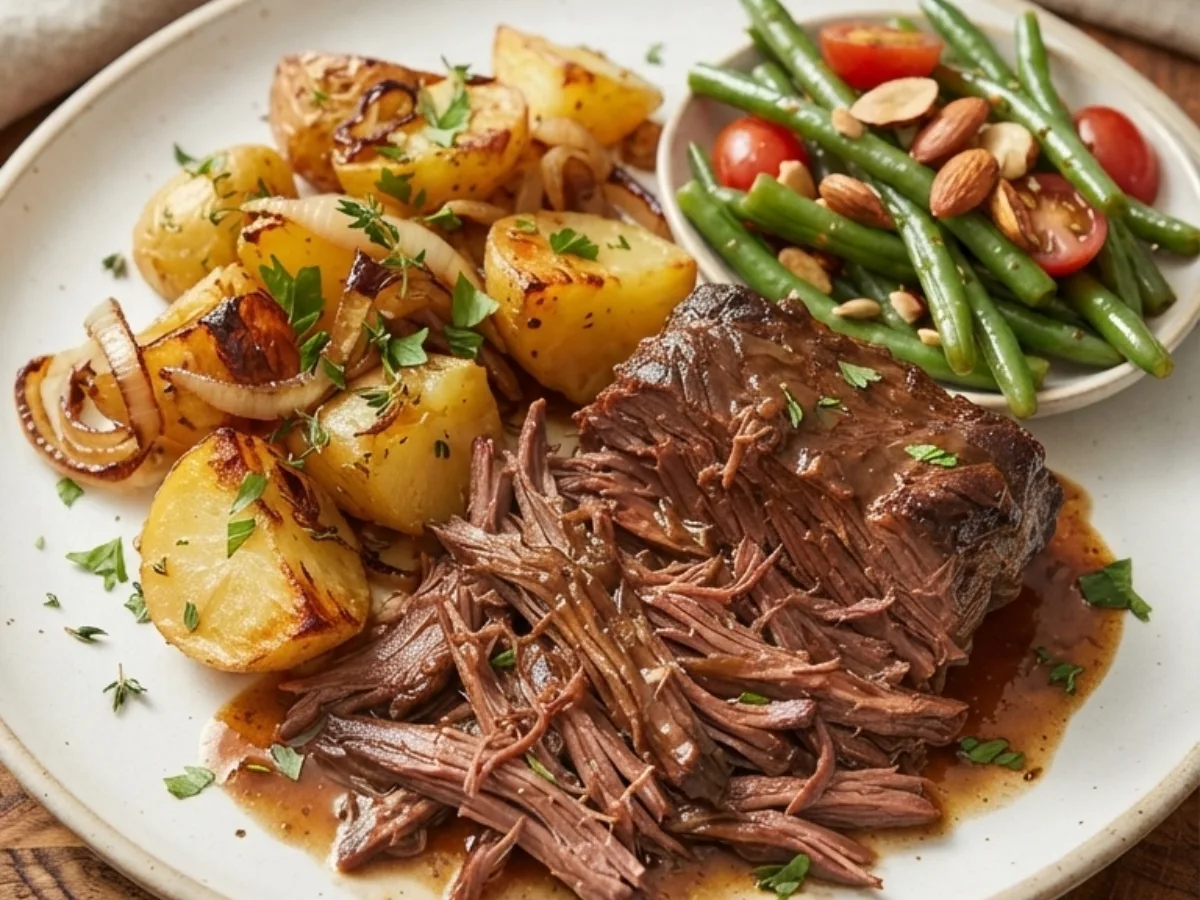
Classic Slow Cooked pot roast is the ultimate comfort food, featuring tender, slow-cooked beef paired with hearty root vegetables. This timeless dish delivers deep, savory flavors through a patient cooking process in a Dutch oven. Home cooks appreciate its simplicity, as it transforms affordable cuts of beef into a restaurant-quality meal. By mastering this method, you ensure a perfectly tender roast that melts in your mouth every single time, making it an essential addition to your family dinner rotation.
Understanding the Cut of Beef
Selecting the right beef is crucial for achieving that signature texture. Chuck roast is the gold standard for a pot roast because it contains the necessary fat and connective tissue to break down during long, slow cooking. This breakdown process creates a succulent texture that leaner cuts simply cannot replicate. When shopping, look for good marbling, which indicates better flavor development as the beef cooks down into its own juices.
The Importance of the Dutch Oven
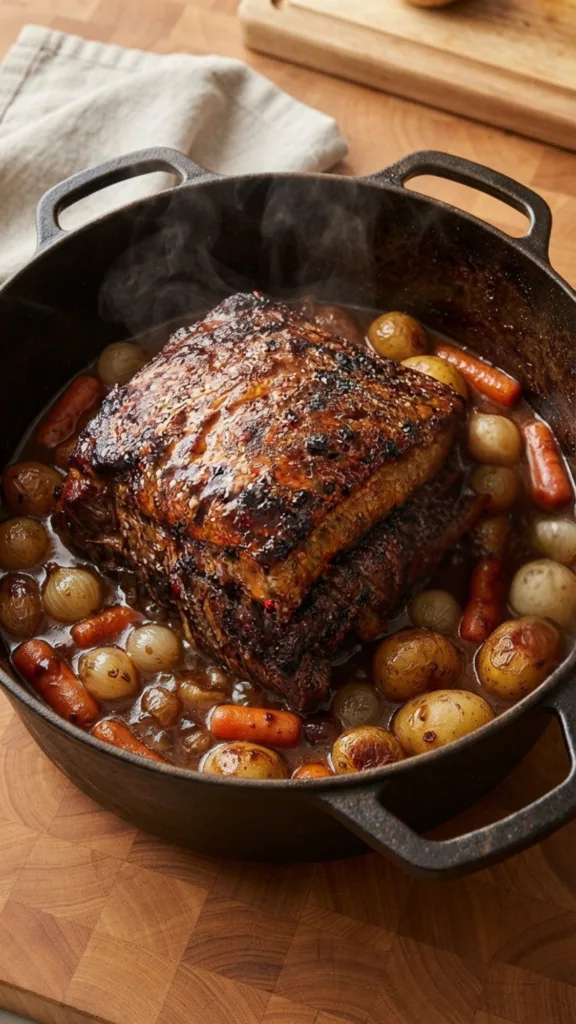
A heavy-bottomed Dutch oven provides consistent, even heat distribution, which is vital for slow-cooked perfection. Unlike standard roasting pans, the thick walls of a Dutch oven retain heat effectively, allowing for a gentle braise. This environment ensures the beef remains surrounded by moisture, preventing it from drying out while allowing the aromatics and liquids to infuse every fiber of the meat.
Preparing the Vegetables
Root vegetables are the classic companions for a hearty dinner. Carrots, potatoes, and onions provide sweetness and texture that complement the savory beef. Cutting these vegetables into uniform, large chunks ensures they hold their shape throughout the extended cooking time. Smaller pieces risk turning into mush, whereas larger chunks remain firm and flavorful, providing a satisfying bite alongside the tender roast.
Mastering the Search
Searing the beef before it enters the liquid bath is a non-negotiable step for flavor development. This process creates a caramelized crust on the outside of the roast, known as the Maillard reaction, which adds complex layers of taste. Pat the meat thoroughly dry with paper towels to ensure a deep brown crust rather than steam. A hot pan is essential here, providing the foundation for a rich, deep brown sauce.
Balancing Aromatics and Liquids
The liquid base of your pot roast acts as a carrier for flavor. While beef broth is common, incorporating ingredients like tomato paste or soy sauce can add extra umami. Aromatics like garlic, thyme, and rosemary infuse the cooking liquid, which eventually becomes a decadent gravy. Avoid overwhelming the delicate balance of the beef flavor; instead, focus on enhancing it with subtle herbs and seasonings that support the main component.
Cooking Temperature and Patience
Low and slow is the mantra for success. Setting your oven to a lower temperature allows the connective tissues in the chuck roast to melt into gelatin, which is what gives a truly tender roast its luxurious mouthfeel. While it is tempting to rush the process, increasing the heat will only toughen the meat fibers, resulting in a dry, stringy dish. Patience is the secret ingredient that truly transforms these humble elements.
Achieving Perfect Gravy
Once the cooking is complete, the remaining liquid is liquid gold. Reducing the braising liquid on the stovetop concentrates the flavors, resulting in a thick, glossy gravy. Some cooks prefer to whisk in a small amount of cornstarch slurry or a roux to achieve the desired consistency. This final step bridges the gap between a home-cooked meal and professional results, elevating the entire experience.
Storing and Reheating
Leftover pot roast often tastes even better the next day as the flavors continue to meld. Store the beef and vegetables in an airtight container with plenty of the braising liquid to keep it hydrated. When reheating, do so gently on the stovetop or in a low oven to prevent the meat from drying out. This dish is exceptionally versatile for meal prepping, offering a nutritious and satisfying option for busy weeknights.
Choosing the Best Sides
While the root vegetables are cooked right alongside the meat, this hearty dinner pairs wonderfully with additional sides. Mashed potatoes are a popular choice to soak up the extra gravy. Alternatively, a crisp green salad with a bright vinaigrette provides a refreshing contrast to the richness of the slow-cooked beef. Simple roasted asparagus or buttered green beans also complement the main dish beautifully, adding color and a light crunch to the plate.
The Art of the One-Pot Meal
The genius of a pot roast lies in its one-pot nature. Minimizing cleanup is a major benefit for busy families, as the entire meal is prepared in the same Dutch oven. This method not only simplifies the cooking process but also allows the flavors of the vegetables and the beef to marry perfectly during the long braise. Embracing one-pot cooking is a sustainable way to maintain a healthy home-cooked lifestyle without overwhelming your schedule.
Serving for Special Occasions
Although it is a perfect meal for a casual weeknight, this dish is elegant enough for weekend company. Arranging the tender roast on a large platter surrounded by the vibrant, glazed carrots and potatoes creates a stunning centerpiece. Serving the gravy in a separate warmed boat allows guests to customize their plates. It is a dish that signals effort and care, making even simple gatherings feel special and welcoming.
Nutritional Benefits of Slow Cooking
Slow cooking at lower temperatures helps retain the nutritional integrity of the ingredients. The long, gentle braise breaks down tough connective tissues into digestible collagen, which is excellent for joint health. Furthermore, the slow-cooked vegetables retain their vitamins and minerals within the nutrient-rich braising broth, which is consumed as part of the gravy. It is a wholesome, balanced meal that provides long-lasting energy.
Customizing Your Flavor Profile
Feel free to adapt the recipe based on your personal preferences. You can add parsnips for an earthy sweetness or switch to pearl onions for a more refined look. Some cooks enjoy adding a splash of balsamic vinegar or Worcestershire sauce to the braising liquid to deepen the umami profile. Experimenting with different fresh herbs like oregano or parsley can also offer subtle shifts in flavor, allowing you to tailor the recipe to your family’s tastes.
Perfecting the Technique
Success comes from consistency. Always ensure your Dutch oven is heavy enough to hold heat and that your lid provides a tight seal to keep moisture inside. If you find the liquid level too low during cooking, add a small amount of broth to prevent burning. Remember that the meat should be barely covered by liquid, not completely submerged, to allow for proper braising and development of the crusty exterior.
Creating Lasting Traditions
More than just a meal, preparing this recipe can become a cherished weekend ritual. The aroma that fills the home during the three hours in the oven is incomparable. It brings family members to the kitchen and sets a tone of comfort and anticipation. Establishing this as a regular feature in your culinary repertoire builds memories tied to the warmth, flavor, and reliability of this classic dish.
The Versatility of Leftovers
If you are lucky enough to have leftovers, they can be repurposed in exciting ways. Shred the remaining beef and use it in savory pot pies, or mix it into a thick, hearty soup with extra broth and noodles. Leftover vegetables can be blended into a robust vegetable stew. This versatility ensures that not a single bite of your meticulously prepared dinner goes to waste, maximizing your efforts in the kitchen.
Ingredients
- 3-4 lb beef chuck roast
- 2 tbsp olive oil
- 1 lb baby potatoes, halved
- 4 large carrots, cut into 2-inch chunks
- 2 large yellow onions, quartered
- 4 cloves garlic, smashed
- 3 cups beef broth
- 1 tbsp tomato paste
- 2 sprigs fresh thyme
- 1 sprig fresh rosemary
- 1 tsp salt
- 1/2 tsp black pepper
Instructions
- Preheat your oven to 325°F (165°C).
- Pat the beef chuck roast dry with paper towels and season generously with salt and pepper on all sides.
- Heat olive oil in a large Dutch oven over medium-high heat.
- Sear the beef until a deep, dark brown crust forms on all sides, about 5-7 minutes per side. Remove the beef and set it aside.
- Add onions to the pot and sauté for 3 minutes until lightly browned. Stir in tomato paste and garlic, cooking for another minute.
- Pour in the beef broth and scrape up the browned bits from the bottom of the pot.
- Place the beef back into the pot and tuck the carrots and potatoes around the meat. Add the thyme and rosemary sprigs.
- Cover tightly and transfer to the oven. Cook for 3 to 3.5 hours, or until the beef is fork-tender.
- Carefully remove the beef and vegetables from the pot.
- Skim excess fat from the liquid and boil on the stovetop until reduced to a gravy consistency.
- Serve the beef with the vegetables, drizzled generously with the prepared gravy.
FAQs
- Can I use a slow cooker instead? Yes, follow the same searing steps, then cook on low for 8 hours.
- Why is my beef tough? It likely needs more time; continue cooking until the meat fibers pull apart easily with a fork.
- Can I add other vegetables? Celery and parsnips work wonderfully in this classic recipe.
- Is this a good meal prep dish? Absolutely, it holds up exceptionally well, and flavors improve after one day.
Conclusion
A classic pot roast is a rewarding project for any home cook, offering a perfect balance of flavor, texture, and comfort. By understanding the importance of the cut, the technique of the sear, and the patience of slow cooking, you can consistently achieve a tender roast that anchors any meal. Use this reliable method to bring warmth and satisfaction to your dining table, creating lasting memories with a dish that celebrates the beauty of simplicity and quality ingredients.
PrintClassic Slow Cooked Pot Roast
A timeless, tender pot roast slow-cooked in a Dutch oven with root vegetables for a hearty, comforting dinner.
- Prep Time: 20 minutes
- Cook Time: 210 minutes
- Total Time: 230 minutes
- Yield: 6 servings
- Category: Dinner
- Method: Slow-Cooked
- Cuisine: American
Ingredients
3–4 lb beef chuck roast
2 tbsp olive oil
1 lb baby potatoes, halved
4 large carrots, cut into 2-inch chunks
2 large yellow onions, quartered
4 cloves garlic, smashed
3 cups beef broth
1 tbsp tomato paste
2 sprigs fresh thyme
1 sprig fresh rosemary
1 tsp salt
1/2 tsp black pepper
Instructions
1.Preheat oven to 325°F (165°C).
2.Sear the seasoned beef in a Dutch oven until browned on all sides.
3.Sauté onions, tomato paste, and garlic.
4.Pour in beef broth and deglaze the pot.
5.Return beef to the pot, add vegetables and herbs.
6.Cover and bake for 3 to 3.5 hours until fork-tender.
7.Reduce liquid for gravy and serve.
Notes
Leftovers taste better the next day.
Ensure the pot is tightly covered for best results.