
Table of Contents
Crispy chicken thighs coated in a glossy, sweet-and-spicy gochujang sauce make this Gochujang Chicken a seriously satisfying dinner. Each bite combines golden, lightly crunchy chicken with a rich Korean-inspired sauce that’s savory, garlicky, slightly sweet, and packed with the distinctive flavor of Korean red chili paste.
What makes this recipe especially appealing is the contrast between the crispy chicken and the sticky sauce. A simple cornstarch coating creates a delicate crust, while gochujang, soy sauce, garlic, and sesame oil come together in a bold glaze that clings beautifully to every piece.
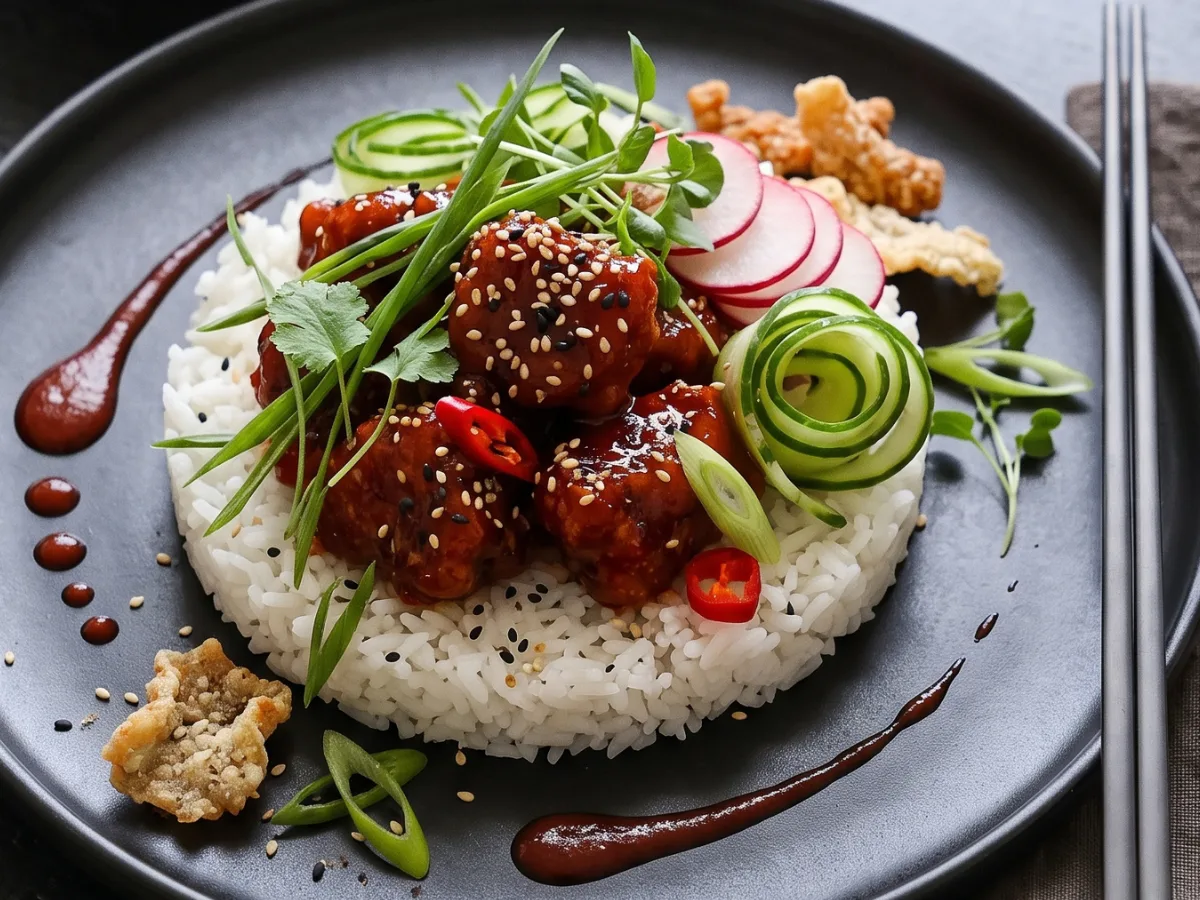
Ready in about 35 minutes, this Korean Gochujang Chicken is a great option for busy weeknights when you want something more exciting than your usual chicken dinner. Serve it over steamed rice, add your favorite vegetables, and finish with sesame seeds and fresh green onions.
Why This Gochujang Chicken Recipe Works
The secret to great sticky gochujang chicken is balancing the sauce’s bold flavors with chicken that’s crispy on the outside and juicy inside.
Boneless chicken thighs are especially well suited to this cooking method. Their slightly higher fat content helps them stay tender during frying, while their rich flavor stands up to the spicy Korean sauce.
Several details make this recipe particularly successful:
- Crispy cornstarch coating: Cornstarch creates a light, crunchy exterior without requiring a complicated batter.
- Sweet and spicy sauce: Gochujang provides heat and fermented depth, while sugar balances its intensity.
- Tender chicken thighs: Boneless, skinless thighs remain juicy and flavorful during frying.
- Quick cooking: The chicken cooks in small batches, and the sauce comes together in just a few minutes.
- Simple ingredients: Most of the ingredients are pantry staples, with gochujang providing the signature Korean flavor.
Unlike heavily breaded fried chicken, this version has a thin, crisp coating that absorbs just enough sauce to become deliciously sticky.
The result is a satisfying Korean-inspired chicken dinner that pairs naturally with rice, noodles, or fresh vegetables.
What Is Gochujang Chicken?
Gochujang Chicken is a Korean-inspired chicken dish featuring gochujang, a fermented Korean red chili paste.
Gochujang has a distinctive combination of spicy, savory, slightly sweet, and fermented flavors. It’s made primarily from red chili peppers, fermented soybean powder, glutinous rice, and salt, although ingredients vary by brand.
In this recipe, gochujang becomes the foundation of a glossy sauce made with soy sauce, garlic, sugar, sesame oil, and water.
The chicken is coated in cornstarch and pan-fried until golden before being tossed with the thickened sauce.
This technique creates a dish reminiscent of Korean fried chicken, although traditional Korean fried chicken recipes often use different coatings, frying methods, and sauces.
The finished dish has three defining characteristics: crispy chicken, a sticky glaze, and a balanced sweet-spicy flavor.
Ingredients for Gochujang Chicken
You only need a handful of ingredients to prepare this easy Korean chicken recipe.
For the Crispy Chicken
- 1 lb boneless, skinless chicken thighs: Cut into approximately 1½-inch cubes for even cooking.
- ½ small onion, large diced: Adds a mild sweetness and extra texture.
- ⅓ cup cornstarch: Creates the crispy coating.
- ¼ cup vegetable oil: Use a neutral oil suitable for frying.
- 1 green onion, finely chopped: Adds freshness and color.
- ½ teaspoon toasted sesame seeds: Provides a nutty finishing touch.
For the Gochujang Sauce
- 2 garlic cloves, minced: Give the sauce its savory, aromatic base.
- 2 tablespoons granulated sugar: Balance the heat and help create a sticky glaze.
- 2 tablespoons mild gochujang: Provide the signature Korean chili flavor.
- 2 tablespoons regular or light soy sauce: Add saltiness and umami.
- 2 teaspoons toasted sesame seeds: Bring additional nutty flavor.
- 1 teaspoon toasted sesame oil: Adds a warm, roasted sesame aroma.
- 1 tablespoon cornstarch: Thickens the sauce.
- 1 cup cold water: Helps dissolve the cornstarch and creates the right sauce consistency.
Choosing the Best Gochujang
Gochujang is available in different heat levels, so choosing the right variety matters.
For this recipe, mild gochujang is an excellent starting point. It delivers the characteristic fermented chili flavor without making the sauce excessively spicy.
If you prefer stronger heat, use a medium or hot variety.
Keep in mind that gochujang is a concentrated paste rather than a pourable hot sauce. Substituting a regular chili sauce will noticeably change the flavor and consistency.
You can usually find gochujang in Asian grocery stores, Korean markets, or the international section of larger supermarkets.
How to Make Gochujang Chicken
Making crispy Korean Gochujang Chicken involves three main stages: preparing the sauce, frying the chicken, and combining everything in the pan.
Step 1: Prepare the Gochujang Sauce
In a small mixing bowl, combine the minced garlic, sugar, gochujang, soy sauce, toasted sesame seeds, sesame oil, cornstarch, and cold water.
Whisk thoroughly until the sugar dissolves and the gochujang is evenly distributed.
Make sure there are no visible lumps of cornstarch.
Set the sauce aside while preparing the chicken.
Helpful tip: Always use cold water when mixing cornstarch into the sauce. Hot water can cause the starch to thicken prematurely and form lumps.
Step 2: Cut and Coat the Chicken
Cut the boneless chicken thighs into approximately 1½-inch cubes.
Try to keep the pieces similar in size so they cook evenly.
Place the chicken in a large mixing bowl.
Add ⅓ cup cornstarch and toss until every piece is coated.
The natural moisture on the chicken helps the cornstarch adhere, so there’s no need to pat the meat completely dry.
If some pieces still have exposed surfaces, add another 1–2 tablespoons of cornstarch.
The coating should look lightly powdery rather than thick or pasty.
Step 3: Fry the Chicken Until Crispy
Heat the vegetable oil in a large, heavy-bottomed skillet over medium-high heat.
Bring the oil to approximately 350°F.
Carefully add the coated chicken in small batches, leaving space between the pieces.
Fry for approximately 5–7 minutes total, turning once the underside becomes golden and crisp.
Maintain an oil temperature between 325°F and 350°F.
Avoid moving the chicken immediately after adding it to the pan. Allowing the coating to set helps prevent it from sticking or breaking apart.
Continue cooking until the chicken reaches an internal temperature of 165°F.
According to the FoodSafety.gov safe minimum internal temperature chart, poultry should reach 165°F for safe consumption.
Transfer the cooked chicken to a wire rack.
Repeat with the remaining pieces, allowing the oil to return to temperature between batches.
Step 4: Cook the Sticky Gochujang Sauce
Carefully remove most of the frying oil from the skillet, leaving approximately 1 teaspoon.
Add the diced onion and sauté for 30–45 seconds.
The onion should soften slightly while retaining a little texture.
Whisk the prepared sauce again because cornstarch naturally settles at the bottom.
Pour the sauce into the skillet.
Bring it to a gentle simmer, stirring frequently.
As the cornstarch activates, the sauce will gradually thicken and develop a glossy appearance.
Continue cooking until it coats the back of a spoon.
If the sauce becomes too thick, add a small splash of water.
Step 5: Toss the Chicken in the Sauce
Reduce the heat to medium.
Add the crispy chicken pieces to the skillet.
Toss gently until every piece is coated in the sticky gochujang glaze.
Avoid cooking the chicken in the sauce for too long, as the coating will gradually lose its crispness.
Once everything is evenly coated and heated through, remove the pan from the heat.
Step 6: Garnish and Serve
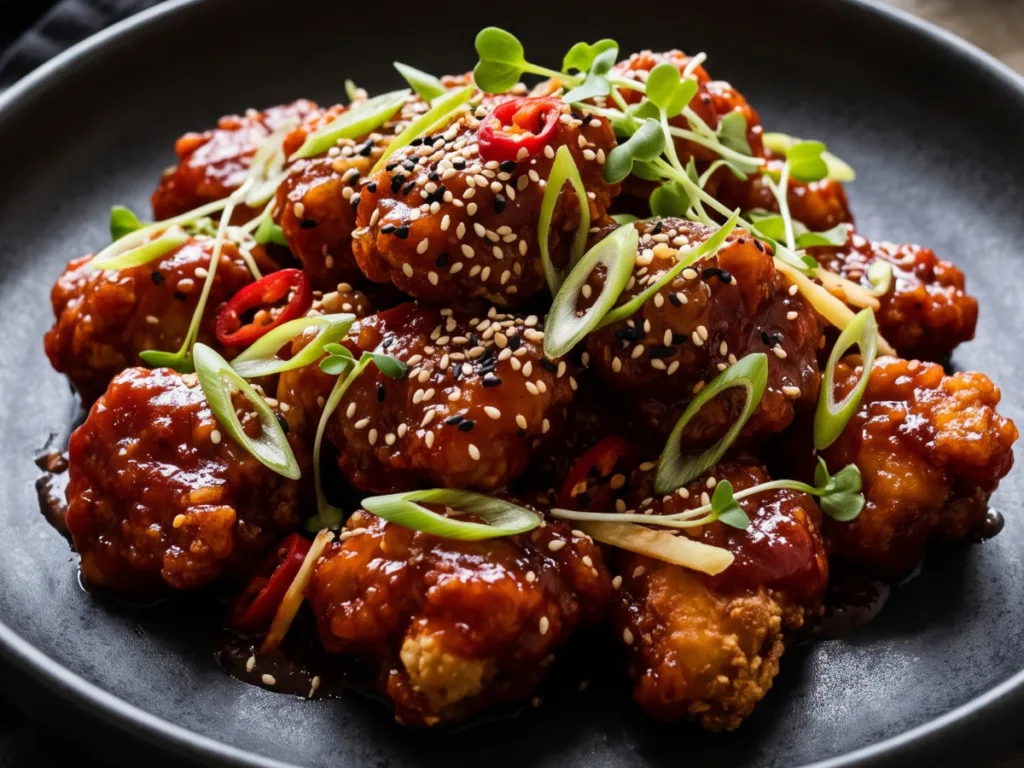
Transfer the chicken to a serving dish.
Sprinkle with finely chopped green onions and toasted sesame seeds.
Serve immediately while the chicken is hot and the sauce is glossy.
For a complete meal, spoon the sticky Korean chicken over steamed white rice and add your favorite vegetables.
Tips for Extra Crispy Korean Gochujang Chicken
Getting that irresistible crispy texture is mostly about controlling moisture, oil temperature, and cooking time.
Don’t Overcrowd the Pan
Adding too much chicken at once lowers the oil temperature.
When that happens, the coating can absorb more oil and become greasy instead of crisp.
Cooking in batches produces more consistent results.
Maintain the Correct Oil Temperature
Aim for 325–350°F while frying.
If the oil is too cool, the coating may become oily.
If it’s too hot, the outside can brown before the center finishes cooking.
A kitchen thermometer is helpful for monitoring the temperature.
Use a Wire Rack Instead of Paper Towels
A wire rack allows air to circulate underneath the chicken.
This prevents steam from accumulating beneath the pieces and softening the crust.
Paper towels absorb excess oil, but they can also trap moisture against the coating.
Add the Sauce Just Before Serving
The longer crispy chicken sits in sauce, the softer its coating becomes.
For the best texture, toss the chicken in the glaze immediately before serving.
This is especially important when preparing the dish for guests.
Easy Gochujang Chicken Variations
One advantage of this Korean spicy chicken recipe is how easily you can adjust the flavor.
Extra Spicy Gochujang Chicken
Use a hotter variety of gochujang or add a small pinch of Korean red pepper flakes, known as gochugaru.
Start with a little and adjust to taste.
Honey Gochujang Chicken
Replace some or all of the granulated sugar with honey.
Honey creates a slightly different sweetness and gives the glaze a rich finish.
Because honey can make the sauce sweeter, adjust the amount to your preference.
Gochujang Chicken Breast
Boneless chicken breasts can replace chicken thighs.
Cut them into evenly sized pieces and avoid overcooking, since breast meat is leaner.
Always check that the thickest pieces reach 165°F.
Gluten-Free Gochujang Chicken
Cornstarch is naturally gluten-free, but regular soy sauce typically contains wheat.
Use certified gluten-free tamari and check the gochujang label carefully, as formulations vary.
Also verify that the remaining packaged ingredients meet your dietary needs.
What to Serve With Gochujang Chicken
The bold sauce pairs particularly well with simple sides that balance its sweet, spicy flavor.
Steamed jasmine rice: Soft, fluffy rice absorbs the extra gochujang sauce and makes the meal more filling.
Short-grain white rice: Korean-style short-grain rice has a slightly sticky texture that complements the chicken.
Steamed broccoli: Mild vegetables provide a fresh contrast to the rich glaze.
Cucumber salad: Cool, crunchy cucumbers help balance the spicy sauce.
Kimchi: Fermented Korean vegetables add tanginess and an extra layer of flavor.
Stir-fried vegetables: Bell peppers, carrots, snap peas, and zucchini are all good choices.
For another satisfying chicken dinner with a completely different flavor profile, try this Green Chile Chicken Cream Cheese Casserole. Its creamy, mildly spicy filling makes it another comforting option for family dinners.
How to Store and Reheat Gochujang Chicken
Although sticky gochujang chicken tastes best immediately after cooking, leftovers can still make a flavorful lunch or dinner.
Refrigerator Storage
Allow the chicken to cool slightly, then transfer it to an airtight container.
Refrigerate within two hours of cooking.
Store leftovers in the refrigerator at 40°F or below for up to 3–4 days.
The coating will soften during storage because it absorbs moisture from the sauce.
How to Reheat
For the best results, reheat the chicken in a skillet over medium-low heat.
Add a small splash of water if the sauce has become too thick.
Stir occasionally until the chicken is heated throughout to 165°F.
You can also use the microwave, heating in short intervals and stirring between them.
Can You Freeze Gochujang Chicken?
Yes, although the texture may change after thawing.
Freeze cooled chicken in an airtight, freezer-safe container for up to 2–3 months for best quality.
Thaw overnight in the refrigerator before reheating.
For better texture, consider freezing the cooked chicken and sauce separately.
Make-Ahead Tips
You can prepare the sauce up to two days ahead and refrigerate it in a covered container.
Whisk well before cooking because the cornstarch will settle.
The chicken can also be cut into pieces ahead of time and refrigerated separately.
For the crispiest results, coat and fry the chicken shortly before serving.
Frequently Asked Questions
Is gochujang chicken very spicy?
The heat depends mainly on the gochujang you use. Mild gochujang creates a balanced sauce with noticeable warmth rather than overwhelming heat. The sugar and other sauce ingredients also help soften the spiciness.
Can I make gochujang chicken without frying?
Yes. You can bake or air-fry cornstarch-coated chicken with a light coating of oil, then toss it with the prepared sauce. The texture will differ from the pan-fried version. Cook until the chicken reaches 165°F internally.
Why isn’t my gochujang chicken crispy?
The most common causes are overcrowding the pan, frying at too low a temperature, or leaving the cooked chicken in the sauce too long. Fry in small batches, maintain the correct oil temperature, and add the sauce immediately before serving.
Can I use chicken breast instead of chicken thighs?
Absolutely. Boneless, skinless chicken breast works well, although it tends to be less juicy than chicken thighs. Cut the meat into evenly sized cubes and monitor the cooking temperature carefully.
How do I make gochujang sauce thicker?
The cornstarch in the sauce should thicken it as it simmers. Make sure the mixture reaches a gentle simmer and stir regularly. If it remains thin, continue simmering briefly. Remember that the sauce will thicken slightly as it cools.
Final Thoughts
This Gochujang Chicken Recipe delivers everything that makes sticky Korean-inspired chicken so appealing: tender meat, golden crispy edges, and a glossy sauce with a satisfying balance of sweetness, heat, and savory flavor.
The combination of gochujang, garlic, soy sauce, and toasted sesame oil gives the dish plenty of character without requiring complicated techniques.
Serve it fresh over steamed rice, finish with green onions and sesame seeds, and enjoy a flavorful Korean-inspired chicken dinner made right in your own kitchen.
Gochujang Chicken – Crispy, Sticky Korean Spicy Chicken
Crispy, juicy chicken thighs tossed in a glossy Korean-inspired gochujang sauce with garlic, soy sauce, sesame oil, and a delicious balance of sweet and spicy flavors.
- Prep Time: 15 minutes
- Cook Time: 20 minutes
- Total Time: 35 minutes
- Yield: 4 servings
- Category: Dinner
- Method: Pan-Fried
- Cuisine: Korean-Inspired
Ingredients
1 lb boneless skinless chicken thighs, cut into 1½-inch cubes
½ small onion, large diced
⅓ cup cornstarch, plus 1–2 tbsp if needed
¼ cup vegetable oil or neutral frying oil
1 green onion, finely chopped
½ tsp toasted sesame seeds
Gochujang Sauce:
2 garlic cloves, minced
2 tbsp granulated sugar
2 tbsp mild gochujang
2 tbsp regular or light soy sauce
2 tsp toasted sesame seeds
1 tsp toasted sesame oil
1 tbsp cornstarch
1 cup cold water
Instructions
1. Whisk all gochujang sauce ingredients together until smooth. Set aside.
2. Cut chicken thighs into 1½-inch cubes and coat evenly with cornstarch.
3. Heat oil to 350°F in a heavy-bottomed skillet.
4. Fry chicken in batches for 5–7 minutes, maintaining 325–350°F, until golden and cooked to 165°F.
5. Transfer chicken to a wire rack to drain.
6. Leave 1 tsp oil in the pan and sauté diced onion for 30–45 seconds.
7. Whisk sauce again, pour into pan, and simmer until thick and glossy.
8. Add fried chicken and toss until evenly coated.
9. Garnish with green onions and toasted sesame seeds. Serve immediately.
Notes
Use mild gochujang for a balanced sweet-spicy flavor.
Maintain the frying oil between 325°F and 350°F for crispy chicken.
Avoid overcrowding the pan when frying.
Use boneless chicken breast as an alternative to chicken thighs.
Add extra gochujang or Korean chili flakes for more heat.
Serve with steamed rice, broccoli, cucumber salad, or kimchi.
Store leftovers in an airtight container in the refrigerator for 3–4 days.
Reheat chicken thoroughly to 165°F.
Freeze for up to 2–3 months for best quality.
For maximum crispiness, toss chicken with sauce immediately before serving.