
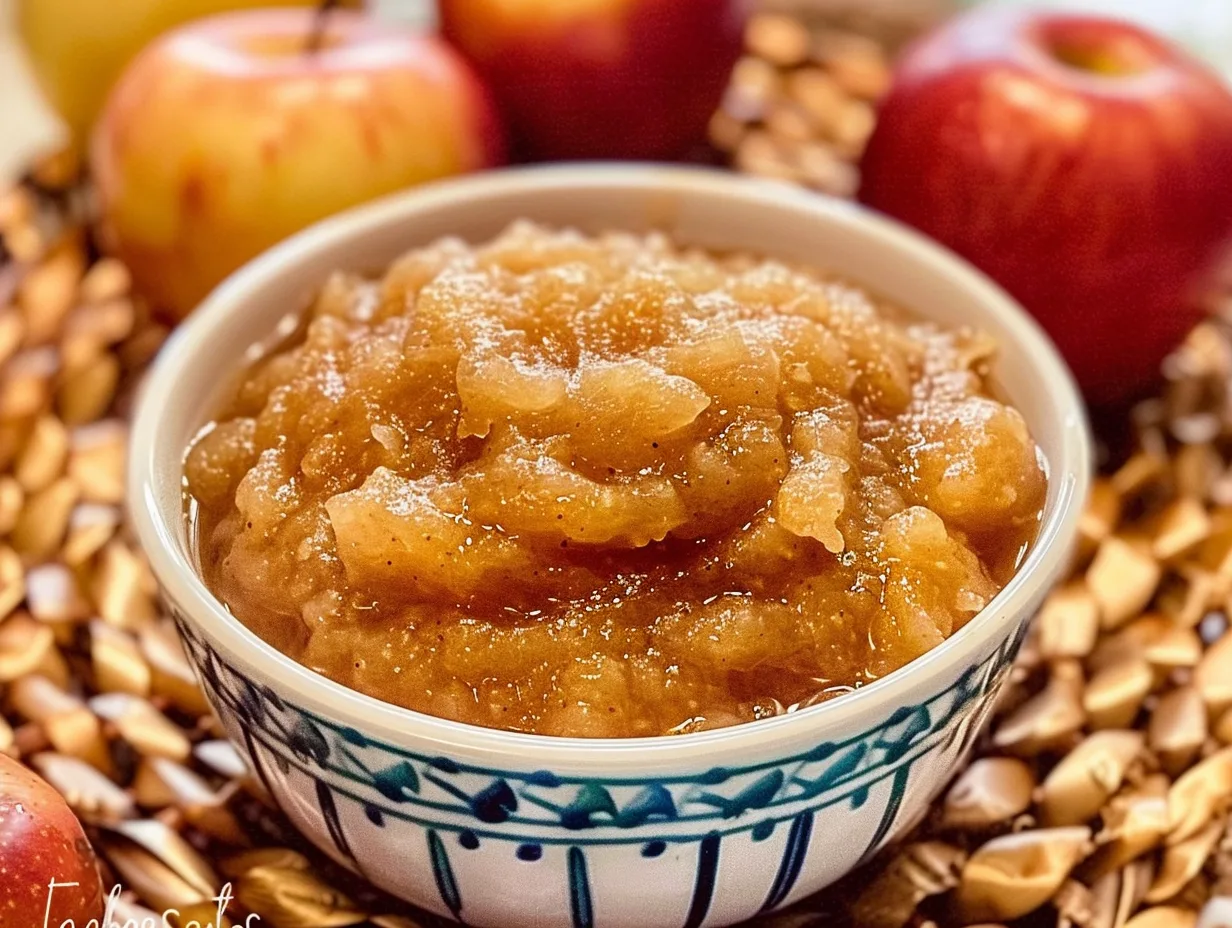
Stovetop applesauce is a comforting classic fruit preparation. This recipe transforms simple apples into a wonderfully sweet and spiced condiment or dessert. It requires minimal effort and few ingredients to achieve perfect results.
Making homemade applesauce on the stovetop is incredibly rewarding. The aroma alone fills your kitchen with warmth and anticipation. Unlike store-bought versions, this fresh applesauce allows you complete control over the sweetness and spice levels. You can tailor it precisely to your family’s preferences. This recipe is a fantastic way to utilize seasonal apples and create a treat that feels both healthy and indulgent. Its simplicity makes it an accessible recipe for cooks of all skill levels.
Why This Recipe Works
I love this stovetop applesauce recipe because it’s straightforward and yields consistently delicious results every time. The minimal ingredients highlight the natural sweetness of the apples. Cooking them with just a touch of water and lemon juice allows them to break down beautifully. This method produces a tender pulp that is easy to mash or blend. The added cinnamon and optional nutmeg bring a cozy warmth that makes it perfect for any season.
The balance of sweet and tart is key to a well-made applesauce. Using a touch of sugar or maple syrup complements the fruit’s inherent sugars. The lemon juice brightens the flavors and prevents the apples from browning excessively during cooking. You can easily adjust these elements to create your ideal flavor profile. This flexibility is one of the greatest advantages of making applesauce from scratch.
Ingredients
| Quantity | Ingredient | Notes & Alternatives |
|---|---|---|
| 6 medium | Apples | Peeled, cored, and chopped for consistent cooking. Gala, Fuji, Honeycrisp, or a mix work well. Tart apples like Granny Smith can be used for a tangier sauce. |
| 1/2 cup | Water | Essential for steaming the apples. Filtered water is recommended. Add a little more if using very dry apples. |
| 2 tablespoons | Sugar or Maple Syrup | Adjust to taste. Maple syrup adds a subtle caramel note. Brown sugar offers a deeper flavor profile. For sugar-free, omit or use a sugar substitute. |
| 1 tablespoon | Lemon Juice | Freshly squeezed is best for brightness. It also helps preserve the color. Lime juice can be substituted for a slightly different citrus note. |
| 1 teaspoon | Ground Cinnamon | A classic spice for applesauce. Adjust quantity based on preference. Use high-quality cinnamon for better flavor. |
| 1/4 teaspoon | Nutmeg (optional) | Adds warmth and complexity. Freshly grated nutmeg offers superior flavor. Cloves or allspice can also be used sparingly. |
Step-by-Step Instructions
Preparation
- Wash peel core and chop the apples into uniformly sized pieces.
- Aim for roughly 1-inch chunks to ensure even cooking.
Cooking the Apples
- Add the chopped apples water lemon juice and sugar or maple syrup into a medium saucepan.
- Stir all ingredients gently to combine them thoroughly.
- Place the saucepan over medium heat and bring the mixture to a gentle simmer.
- Once simmering, reduce the heat to low, cover the saucepan tightly, and let it cook.
- Cook for 15 to 25 minutes, stirring occasionally, until the apple pieces are very soft and tender.
Finishing and Seasoning
- Remove the saucepan from the heat.
- Mash the cooked apples with a fork or potato masher if you prefer a chunky texture.
- Alternatively, use an immersion blender or transfer to a food processor for a completely smooth consistency.
- Stir in the ground cinnamon and optional nutmeg until fully incorporated.
- Taste the applesauce and adjust sweetness or acidity by adding more sugar, maple syrup, or a touch more lemon juice if needed.
- Let the prepared applesauce cool slightly before serving it warm.
- For a chilled version, transfer the applesauce to an airtight container and refrigerate.
Chef Tips for Perfect Results
- Choose the Right Apples: A blend of sweet and tart apples, such as Fuji and Granny Smith, creates a more complex flavor profile. Using only sweet apples might result in a bland sauce, while only tart ones can be overwhelming.
- Uniform Chopping is Key: Ensure all apple pieces are roughly the same size. This promotes even cooking, preventing some pieces from turning to mush while others remain firm.
- Don’t Overcook: Monitor the apples closely as they cook. Overcooked apples will result in a watery, less flavorful applesauce. Aim for fork-tender consistency.
- Taste and Adjust: Always taste your applesauce before chilling. The natural sweetness of apples varies. Adjust the sugar, cinnamon, and lemon juice until the balance is perfect for your palate.
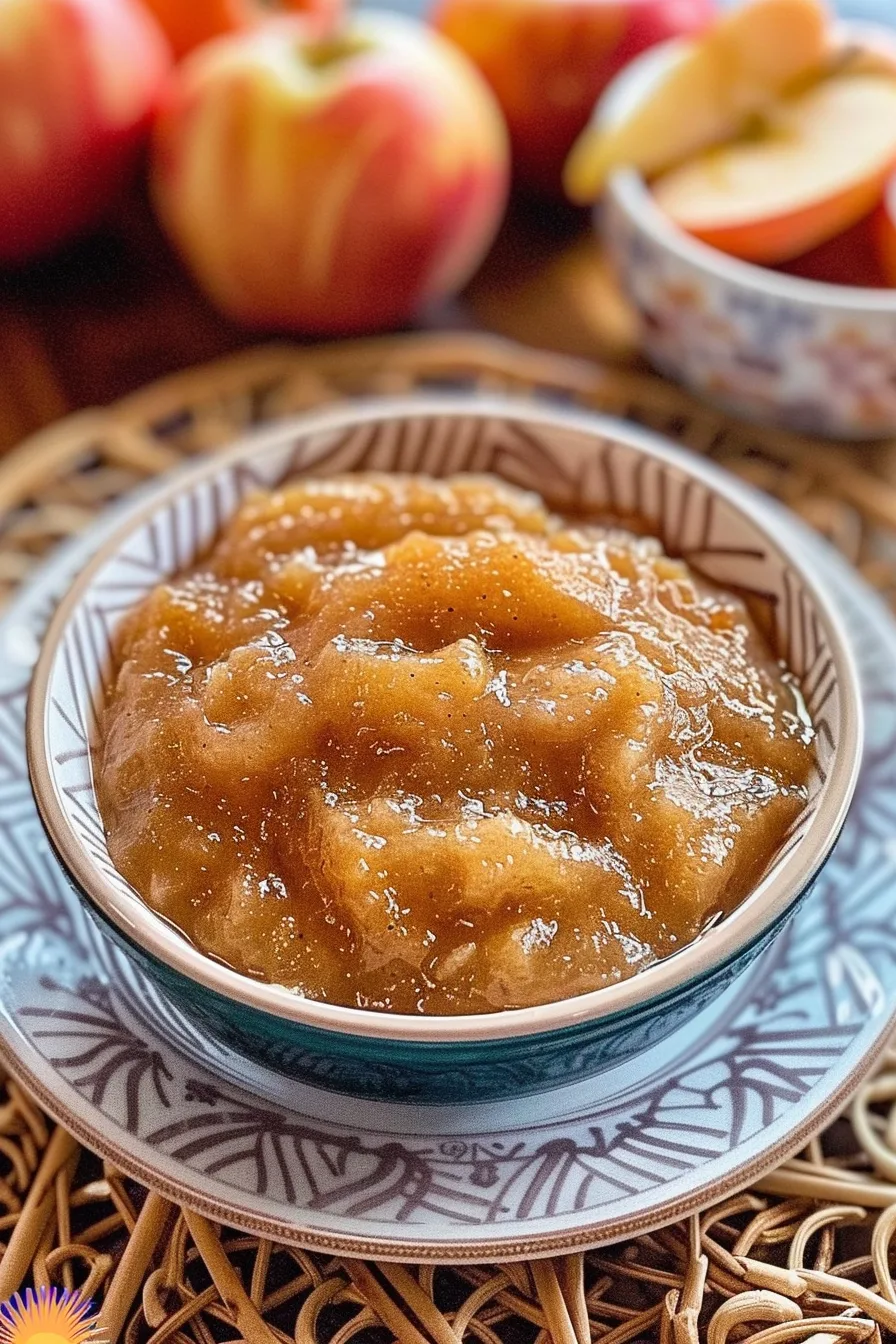
- Smooth vs. Chunky: Decided on texture before mashing. For smoother applesauce, blend thoroughly. For a rustic, chunky version, use a fork or potato masher and leave some larger pieces intact.
Common Mistakes to Avoid
- Using Undersized Pot: A pot too small can lead to uneven heating and potential scorching on the bottom. Use a saucepan large enough to comfortably hold the apples and liquid, allowing for good steam circulation.
- Skipping the Lid: Forgetting to cover the saucepan traps steam, which is crucial for softening the apples efficiently. This results in a longer cooking time and potentially drier apples. Always ensure the lid is on during the simmering phase.
- Ignoring Occasional Stirring: While it is not necessary to stir constantly, omitting occasional stirring can cause the apples to stick to the bottom of the pot and burn. Stir every 5-7 minutes to prevent this.
- Over-Spicing: Adding too much cinnamon or nutmeg can overpower the delicate apple flavor. Start with the recommended amounts and add more incrementally if desired.
- Not Tasting Before Serving: Apple varieties differ greatly in sweetness and acidity. This crucial step allows you to fine-tune the seasoning for the best possible flavor outcome.
Variations and Substitutions
| Ingredient | Substitution | Impact on Flavor |
|---|---|---|
| Sugar | Maple Syrup | Adds a subtle caramel and woodsy note. |
| Sugar | Brown Sugar | Introduces a slightly richer, molasses-like depth. |
| Lemon Juice | Lime Juice | Provides a tangier, more tropical citrus profile. |
| Cinnamon | Apple Pie Spice Blend | Adds complexity with hints of other spices like nutmeg, cloves, and allspice. Use sparingly. |
| Water | Apple Cider | Deepens apple flavor and adds sweetness, potentially reducing added sugar needed. |
| Nutmeg | Ground Cloves or Allspice | Offers complementary warm spice notes. Use about half the amount of nutmeg. |
Serving Suggestions and Pairings
Warm stovetop applesauce is a classic accompaniment to roasted meats like chicken or pork loin. It is also a comforting breakfast side for pancakes, waffles, or oatmeal. For a simple dessert, serve it topped with a dollop of Greek yogurt or a sprinkle of granola. It pairs wonderfully with fall flavors such as pumpkin bread or spice cookies. Consider serving it during holiday gatherings or as a wholesome snack for children.
This homemade applesauce is incredibly versatile. It can be incorporated into baking recipes, used as a fat substitute in muffins, or simply enjoyed straight from the bowl. Think about a cozy Sunday brunch where this homemade applesauce takes center stage alongside freshly baked scones. Even a simple weeknight dinner can feel special with this homemade touch.
Storage and Reheating
| Method | Duration | Instructions |
|---|---|---|
| Refrigerator | 4-5 days | Store cooled applesauce in an airtight container. Ensure the container is completely sealed to maintain freshness and prevent odor absorption. |
| Freezer | 2-3 months | Allow applesauce to cool completely before transferring to freezer-safe containers or bags. Leave a little headspace for expansion. |
To reheat refrigerated applesauce, warm it gently on the stovetop over low heat or in the microwave. Stir occasionally to ensure even heating. Thawed frozen applesauce may have a slightly different texture and can be reheated similarly. Add a splash of water or cider if it seems too thick after thawing.
Nutritional Information
| Nutrient | Amount per Serving (Approximate) |
|---|---|
| Calories | 100 kcal |
| Protein | 0g |
| Fat | 0g |
| Carbohydrates | 26g |
| Fiber | 3g |
| Sugar | 22g |
| Sodium | 3mg |
Approximate values based on using 6 medium apples and 2 tablespoons of sugar. Actual nutritional content will vary based on the specific apple varieties and sweeteners used. This information provides a general guideline.
Frequently Asked Questions
How to make applesauce without added sugar?
Omit sugar or maple syrup entirely. The natural sweetness of ripe apples, especially varieties like Fuji or Honeycrisp, is often sufficient. For added sweetness without sugar, consider a sugar substitute suitable for cooking.
How do I know when stovetop applesauce is done?
The applesauce is done when the apple pieces are very soft and easily mashable. They should break down readily when pressed with a fork or masher. Ensure you have cooked them for the full recommended time, usually 15-25 minutes.
What if my applesauce is too thin?
If your applesauce is too thin, you can thicken it by simmering it uncovered over low heat for a few extra minutes. This allows excess moisture to evaporate. Alternatively, mash some of the apple pieces more thoroughly to release their pectin, which naturally thickens the sauce.
Can I make stovetop applesauce ahead of time?
Yes, stovetop applesauce can be made several days in advance. It stores well in the refrigerator for up to 5 days in an airtight container. It also freezes well for longer storage.
Is stovetop applesauce healthy?
Homemade stovetop applesauce is generally very healthy, especially when made with minimal added sugar. It provides dietary fiber and essential nutrients from the apples. Controlling ingredients allows you to avoid preservatives often found in commercial versions.
Creating your own stovetop applesauce is a simple yet profoundly satisfying culinary endeavor. This recipe delivers a pure, unadulterated taste of cooked apple, infused with the warmth of cinnamon. It’s a flexible base perfect for sweetening or spicing to your exact liking. Enjoy the delightful aroma and the comforting flavor of this homemade staple. From breakfast to dessert, your perfect stovetop applesauce awaits.
PrintStovetop Applesauce: Easy Homemade Sauce
A cozy, customizable applesauce made on the stovetop with fresh apples, warm spices, and a touch of sweetness. Perfect as a wholesome snack or versatile topping.
- Prep Time: 15
- Cook Time: 25
- Total Time: 40
- Yield: 4 cups
- Category: All Recipes
- Method: Stovetop Cooking
- Cuisine: American
- Diet: Vegetarian
Ingredients
6 medium Apples (peeled, cored, and chopped)
1/2 cup Water
2 tablespoons Sugar or Maple Syrup
1 tablespoon Lemon Juice
1 teaspoon Ground Cinnamon
1/4 teaspoon Nutmeg
Pinch of Salt (optional)
Instructions
Combine peeled, cored, and chopped apples in a large pot
Add water and stir to coat
Cover and simmer over medium heat for 10-15 minutes until tender
Stir in sugar/maple syrup, lemon juice, cinnamon, nutmeg, and salt (if using)
Continue cooking 5-10 minutes until sauce reaches desired consistency
Mash with a potato masher or blend with an immersion blender for a smoother texture
Notes
Mix sweet and tart apples (e.g., Gala + Granny Smith) for depth of flavor
Adjust sugar to taste or substitute with a sugar-free alternative
Lime juice can replace lemon juice for a different citrus note
Cool completely before storing in the refrigerator for up to 1 week